Shining a Light on Neighborhood Vehicles, Traffic Safety's Big Blindspot
When we talk about vehicle safety, most of us picture the dangers of highways and busy intersections. But for children, some of the deadliest risks are much closer to home. In driveways, cul-de-sacs, sidewalks, and even front yards, vehicles that seem harmless at low speeds cause hundreds of deaths and tens of thousands of injuries every year.
These incidents are called non-traffic crashes. They don’t happen on public roads, but they still leave families devastated. According to NHTSA’s Non-Traffic Surveillance system, an average of 2,449 people are killed and 86,920 are injured in these crashes annually. Children are disproportionately represented in the death toll, often in scenarios that unfold within seconds.
The good news: these accidents are largely preventable. By understanding how they happen and what risk factors make them more likely, parents can take simple steps that dramatically reduce the danger.
Backovers: The Hidden Blind Spot
One of the most tragic and common neighborhood accidents is the backover—when a driver reverses without seeing that a child is behind the vehicle. These are low-speed incidents, but the outcomes are devastating.
Every year, backovers cause about 263 deaths and 10,825 injuries. Roughly 50 children are backed over each week in the United States. Of those, two die and nearly 50 more require emergency medical treatment.
The most common victims are toddlers just learning to walk. Children ages one to two years old are small enough to vanish in a driver’s rear blind zone and quick enough to dart behind a car without being noticed. Even more heartbreaking is who’s behind the wheel: in more than 70% of backover crashes, the driver is a parent, grandparent, or close relative.
For families, the lesson is clear. These accidents don’t happen because parents are careless—they happen because vehicle blind zones are bigger than most people realize. Awareness and routine safety checks are the only defenses.
Cul-de-Sacs, Yards, & Sidewalks
Backovers get much of the attention, but they’re not the only neighborhood threat. Children are also struck in “frontovers”—when a driver pulls forward without seeing a child directly in front of the vehicle.
Together, backovers and frontovers account for nearly two-thirds of all child fatalities in non-traffic crashes, according to Kids and Car Safety. These tragedies often unfold in cul-de-sacs and quiet neighborhood streets where children play freely and parents assume vehicles are moving slowly enough to be safe.
Seasonal trends make the risk even clearer. In an 11-year review, Australian researchers noted a surge in these incidents during summer, when kids spend more time outdoors. Whether it’s playing tag in the yard, riding bikes on the sidewalk, or chasing a ball into a cul-de-sac, children are often just steps away from moving vehicles.
The takeaway: “safe” neighborhood spaces are not immune to danger. In fact, their familiarity can make parents and drivers less vigilant.
Why Bigger Vehicles Mean Bigger Risks for Kids
It’s no coincidence that as American driveways fill up with SUVs and trucks, more children are being hurt in low-speed “neighborhood vehicle” crashes. These larger vehicles have enormous blind zones—areas where the driver simply cannot see the ground around them.
Behind an SUV or pickup, the rear blind spot typically stretches 15–25 feet, large enough to completely hide a toddler standing only a few feet away. In front, the problem is even worse. Safety tests have shown that the driver of a full-size pickup cannot see the ground for more than 11 feet beyond the bumper, meaning a small child directly in front of the hood is invisible (National Safety Council). One SUV demonstration famously revealed that 62 preschoolers could stand behind the vehicle without the driver noticing a single one (Kids and Car Safety).
The consequences show up in national data. According to NHTSA, backover crashes still cause about 284 deaths and 12,000 injuries every year, with children under five disproportionately represented. Frontover crashes are now even more deadly: in 2020 alone, they killed 526 people and injured more than 10,000, most of them children under six.
Since 2018, federal regulations have required backup cameras in all new passenger vehicles. These cameras save lives, but they aren’t a cure-all. They can fog, freeze, or fail to capture the wide side angles where children often move. The technology is a tool—not a substitute—for vigilance.
For families, this isn’t about blaming parents—it’s about recognizing the reality of today’s vehicles. SUVs and trucks dominate U.S. sales, and with their size comes a responsibility to build safe habits around them. Knowing that children can vanish in a vehicle’s blind zone in seconds is the first step toward preventing these tragedies.
Off-Road Vehicles: ATVs, Go-Karts, and Mini Cars
Not every neighborhood hazard looks like a family vehicle. Recreational and off-road vehicles add another layer of risk, especially when children use them unsupervised.
ATVs are the worst offender. The CPSC reports that from 2018–2020, off-highway vehicles caused 2,448 deaths, including nearly 300 children under 16. In 2020 alone, 37,925 children were treated in emergency departments for ATV-related injuries, and 16% required hospitalization. Many of these crashes happen in driveways, yards, and neighborhood fields where kids ride without helmets or adult supervision.
Go-karts and mini vehicles aren’t much safer. Historic CPSC data found that more than 10,000 children are injured each year in go-kart accidents. These vehicles often lack seatbelts, roll bars, or protective frames, leaving children vulnerable to head trauma, broken bones, and other severe injuries. Low to the ground, they’re also nearly invisible to passing cars in neighborhood streets.
The message is straightforward: ATVs and go-karts may look like toys, but they are powerful machines. Without strict limits and supervision, they can turn playtime into a trip to the emergency room.
Risk Factors Parents Should Know
Neighborhood vehicle incidents follow clear patterns. Recognizing these patterns can help parents cut risks dramatically.
- Blind zones: Larger vehicles hide children completely. If you can’t see the ground behind your bumper, a toddler could be there.
- Child behavior: Toddlers and preschoolers often assume that if they can see a car, the driver can see them. They’re also impulsive—chasing balls or following parents into the driveway without warning.
- Timing: Many incidents occur in mornings and evenings when cars are leaving or returning home.
- Seasonal patterns: Incidents spike in summer when children play outside more often.
- Environmental factors: Long or curved driveways, poor lighting, or lack of fencing make it easier for children to wander into a vehicle’s path.
These risk factors don’t make accidents inevitable—they make them predictable, and therefore preventable.
Simple House Rules That Could Save Lives
Neighborhood vehicles don’t look like a threat—but the data tells a different story. Each week, children are killed or injured in driveways, cul-de-sacs, and sidewalks, often by vehicles driven by their own family members. These accidents are preventable, but only if parents know the risks.
Parents can’t eliminate every hazard, but they can create safety habits that make neighborhood crashes far less likely. Experts recommend:
- Account for every child before moving a vehicle. Have kids stand on the steps or porch until the car is out of the driveway.
- Do a walk-around. Backup cameras help, but nothing replaces a physical check.
- Teach babysitters and caregivers driveway safety. Make sure they know to gather children before starting a car.
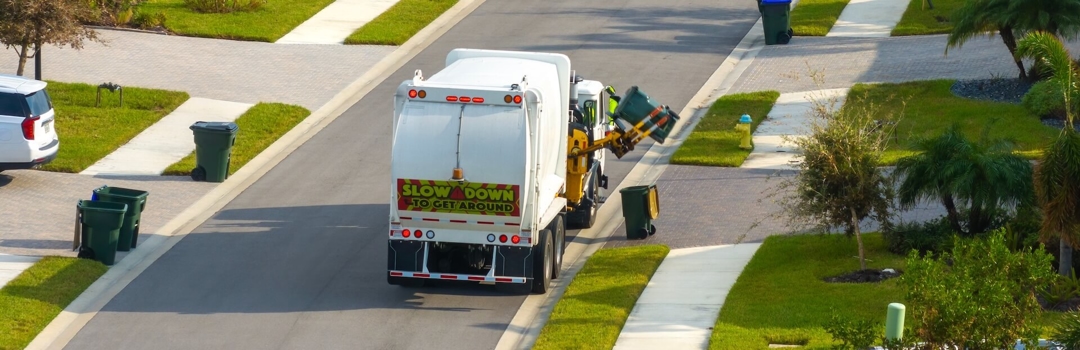
- Be alert to large vehicles. Garbage trucks, delivery vans, and landscaper trucks make frequent neighborhood stops. Supervise children closely when they’re nearby.
- Restrict ATV and go-kart use. Limit them to supervised, off-road areas—not driveways or residential streets.
- Separate play from vehicles. Use fencing, cones, or gates to keep play areas distinct from driveways.
These aren’t complicated routines. They’re small, repeatable actions that buy peace of mind and drastically reduce risks. By setting simple rules—accounting for children before moving a car, using backup cameras responsibly, restricting off-road vehicles, and separating play spaces—families can turn everyday routines into life-saving habits.
- Categories