The Hidden Flash Fire Risks of Petroleum Facilities
Flash fires are one of the most sudden and catastrophic events in the petroleum industry. There is often no visible buildup, no warning, and no time to run. A hazard that is separate from explosions or general refinery fires, flash fires present a distinct and deadly threat to worker safety.
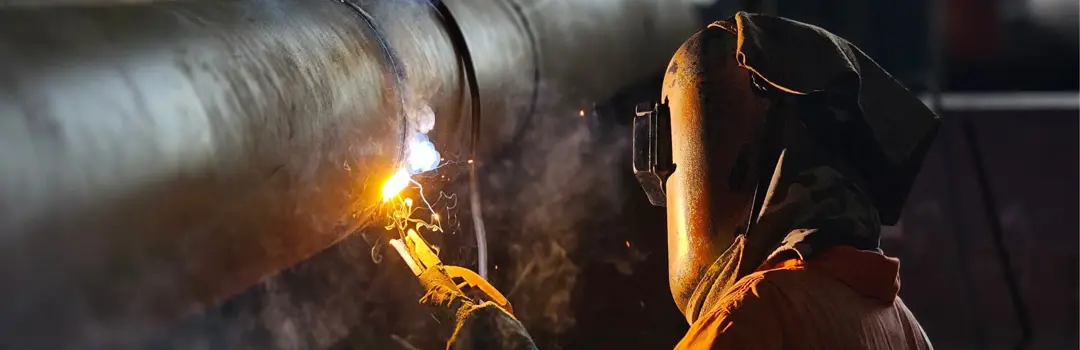
It can happen during routine work that has been successfully accomplished on so many other occasions. A worker is told that an area is cleared for hot work, and he begins welding. Seconds later, a wall of fire engulfs the work area. In the next instant, the fire is gone, thoroughly dissipated, but the worker has already suffered all-encompassing, life-threatening burns.
What Exactly Is a Flash Fire?
A flash fire is the sudden ignition of a cloud of flammable vapor, gas, or dust that spreads rapidly as a brief, but intensely hot flame front. It's a flash in the pan but on a massive scale.
Unlike an explosion, a flash fire does not produce significant overpressure; instead, it burns through the vapor cloud and is over in seconds. The flame travels at the speed of a vapor cloud, which is much faster than a normal fire. It means that workers are enveloped in fire before they can react.
If a flash fire ignites nearby, there is no escaping it.
In just the 1 to 3 seconds that a flash fire erupts, it can cause catastrophic, even fatal burns. In fact, it takes less than a second for a flash fire to inflict third-degree burns over most of a person’s body.
How Flash Fires Injure & Kill Workers
The flame temperature in a hydrocarbon-vapor flash fire can exceed 1,000°F (that’s 538° C). That’s enough to overwhelm even flame-resistant clothing or any other type of personal protective equipment (PPE). There is no visible buildup before a flash fire ignites, no smoke, no warning flame, not even an alarm in many cases.
Common injuries from a flash fire include:
- Burns to the face, hands, arms, and torso
- Inhalation of superheated gases, leaving behind singed airways
- Burns from secondary fires, if clothing catches fire and continues to burn after the flash fire
Workers who survive flash fires often face months of hospitalization, need multiple surgeries and skin grafts, and may have to deal with permanent disfigurement. However, fatalities are common, particularly when a vapor cloud is large or the worker is in an enclosed space.
These injury and fatality risks are especially high for workers at the point of ignition, such as welders and torch cutters. But anyone working immediately adjacent to hot work, such as inspectors, pipefitters, helpers, maintenance mechanics, and contractors, are also at high risk. Laborers and helpers are sometimes the least experienced workers on site, with the least understanding of the hazard, while contractors can be disproportionately at risk due to being less familiar with the specific facility. In some cases, contractors are also less protected by safety programs than direct employees.
How Petroleum Facilities Create Flash Fire Risks
First, for a flash fire to occur, you need a buildup of vapors that have been released, gone undetected, and continue to build up. Petroleum plants are rife with the conditions needed to create buildups of these vapors. In fact, in OSHA’s Process Safety Management for Petroleum Refineries, they stated that since 1992, “no other industry sector has had as many fatal or catastrophic incidents related to the release of highly hazardous chemicals (HHC) as the petroleum refining industry.”
Whether at refineries, petrochemical plants, or oil and gas processing facilities, poorly maintained equipment and facilities have many possible points of failure that could lead to the release of hydrocarbon vapors that a flash fire needs.
Valves can start to leak in amounts “small” enough that repairs keep getting put off, or a failure to isolate connected systems means that vapors could migrate from operating equipment back into the work area. When lines and vessels aren’t fully drained, flushed, or made inert before work begins, residual hydrocarbons remain.
Many of these hydrocarbon vapors are also invisible, odorless at low concentrations, and heavier than air. That means these vapors can migrate long distances from their source and accumulate in low-lying areas, drains, trenches, and confined spaces, far from where a leak originated. It also means that if sensors are placed above ground level, hydrocarbons can sink and accumulate at ground level, thoroughly undetected.
These hydrocarbon vapors, often undetectable by human senses, can include:
Even small accumulations of such vapors will create an ignitable atmosphere.
If you have such vapor buildup, the next thing a flash fire needs is an ignition source. This ignition can occur when vehicles are allowed access to areas with flammable chemicals, against OSHA safety guidelines; it can come from other motorized equipment, or it can be the result of hot work. In petroleum factories, specifically, hot work is often an ignition source for flash fires.
These ignition sources from hot work can include:
- Welding
- Torch cutting
- Grinding
- Brazing
- Burning
Employees doing hot work may be focused on their task, completely unaware of a vapor cloud forming around or beneath them. A single spark from a grinder, a welding arc, or a cutting torch is more than enough to trigger ignition.
Since the risks of vapor buildup and ignition are high in a petroleum facility, and the instances of failures are catastrophic and well-documented, there are clear industry guidelines that can help prevent such flash fires from occurring.
Safety Systems That Reduce Flash Fire Risks
There are clear safety practices for the petrochemical industry, whether from OSHA guidelines, the U.S. Chemical Safety Board (CSB) suggestions, or company-specific protocols. Following such safety procedures can be the difference between life and death.
Some of these safety systems include:
- Continuous gas monitoring from both fixed and portable gas monitors
- Full purging and inerting of lines and vessels to ensure no residual hydrocarbon vapors before hot work
- Strict hot work permit controls that are tied to verified, real-time conditions
- Regular inspection and maintenance of monitors and equipment, not just reactive repairs after a failure has already occurred
- Fire-resistant clothing and appropriate PPE that meets standards, especially gloves (though this is a last line of defense, which can only minimize the severity of injuries, and should not be a substitute for hazard control)
- Thorough training of workers and contractors alike, ensuring that in-place guidelines are clearly written out, explained, and rehearsed
While some of these are processes heavily recommended by OSHA, some of them are related to enforceable federal standards, such as rules on how to store flammable and combustible liquids and handle ventilation and ignition sources around them; hazard communication statutes; permit-required confined spaces that protect against unauthorized entry; and lockout/tagout protocols to control hazardous energy.
Why Flash Fires Keep Happening Despite Clear Solutions
Despite decades of documented incidents, flash fires continue to occur at petroleum facilities, even during predictable intervals of hot work. When a flash fire occurs at a petroleum facility, the resulting investigations consistently identify the same types of failures.
Per OSHA, some of the common safety violations found included:
- A lack of written safety procedures, for everything from normal operations to emergency shutdowns
- Temporary structures that weren’t evaluated for safe placement
- Permanent equipment or rooms that aren’t adequately protected and situated
- Missing devices or wrongly sized safety relieve valves
- Failing to update/using outdated piping and instrumentation diagrams (P&IDs)
- Inaccessible emergency controls, or dangerous-to-access emergency controls
- Inadequate equipment labeling
- Inadequate lockout/tagout practices
- Thinning or corroded pipes that weren’t repaired
- Permits, procedures, and inspection records being used in place of actually verifying current conditions
Other consistent failures found in petroleum facilities included reactive repairs and inadequate atmospheric testing, deficient hot work permits, issues with shutdowns and turnarounds, and ignored warnings.
In many different ways, these and other lapses can all be caused by production pressure, the pressure to keep operations running or to restore them as quickly as possible. This pressure then leads to rushed preparation, skipped or abbreviated safety steps, and a reluctance to delay or stop work, even in the interests of safety.
1) Ignored Warnings, Delayed Maintenance & Repairs
After fire and flash fire incidents across the country, OSHA inspections found that petroleum facilities had substandard inspection and testing procedures in place, which led to delays in maintenance, most often for equipment such as piping, pressure vessels, relief devices, and monitoring alarms (p. 19 of Process Safety).
Pressure gauges and alarms were not calibrated on a periodic basis, OSHA found, and any faults found in inspections weren’t adequately resolved. In fact, they came across work orders that said “ASAP” or “fix today”, and these work orders had been left unresolved for weeks or even years.
When temporary solutions were provided after such inspections, the temporary changes were often made with no time limit stated, or had a time limit that was ignored. This could be for issues such as temporary supports for pipelines that carried flammable liquids, or relief valves that needed to better fit specifications. Temporary changes were treated as permanent solutions, sometimes leading to preventable, and predictable failures, releasing dangerous vapors or creating dangerous ignition sources.
When deficiencies were found in hydrogen sulfide monitors, flame detectors, and alarms, those issues were not corrected until after failure. When a disaster occurs at a petroleum facility, investigators often find a history of near-misses or unaddressed issues, such as known leaks, that were repeatedly ignored.
Especially when there is aging infrastructure, it’s very dangerous to ignore maintenance schedules and any warnings of leaks. Older refineries have more leak-prone equipment, outdated instrumentation, and degraded isolation hardware.
For example, at Silver Eagle Refinery in Woods Cross, Utah, there were two preventable incidents within the same year, a failure of adequate investigations and a failure to take into account what had just happened. On January 12, 2009, four workers (two refinery operators and two contractors) were seriously burned in a flash fire after about 440,000 gallons of light naphtha flooded out of a storage tank. An ignition sparked a flash fire that was 230 feet in length. Then, on November 4 of that same year, a pipe failed, causing an intense explosion that rocked and damaged homes in the vicinity of the refinery. It was later discovered to be the result of the company failing to properly inspect and upgrade their pipelines.
Equipment malfunctions and fires are often not caused by a one-time failure but are simply a reflection of companies failing to take facility upkeep and worker safety seriously. This makes incidents like flash fire injuries and deaths all but inevitable, despite being preventable.
Alarm Floods: An Overabundance of Warnings
Not all ignored warnings are a sign of carelessness or indifference per se. There is a notable phenomenon called the “alarm flood,” when a manager or team of operators is inundated with countless alarms at once, making it difficult to respond promptly or appropriately.
Such was the case on September 20, 2022, at the BP Toledo Refinery in Ohio. Two brothers were fatally injured by a flash fire after liquid naphtha overflowed into a vessel that would typically have held fuel gas. If the naphtha kept going, it would have flowed into furnaces and boilers, which could quickly have caused an explosion. While attempting to drain the vessel as an emergency measure to remove the invading naphtha liquid, some of it drained to the ground, and the resulting vapor cloud ignited.
An investigation found that for 12 hours before the tragedy, 3,712 alarms were firing off, officially being labeled by the CSB as an alarm flood that “overwhelmed and distracted BP’s board operators, causing delays and errors in responding to critical alarms.” This alarm flood compounded the improper response made by the refinery. While some refinery units were shut down in response, a shutdown should have been implemented across the board after the liquid naphtha breached its containment. Instead, the partial responses made by the refinery led to the liquid naphtha flowing to a pressurized vessel that was connected to furnaces and boilers. In order to prevent an explosion, workers were told to “drain the liquid ‘as fast as you guys can’,” which led to the release of naphtha vapor and the subsequent flash fire.
While it is understandable to a point to be unable to respond to an absurd amount of alarms, BP should have had clear protocols and training in place to equip their operators ahead of time on how to respond to such an emergency.
It was also BP's fault that an alarm flood had happened in the first place, as it only got to that point because warnings were ignored in the past.
The CSB investigation found that, in 2019, naphtha breached containment and started to fill a vessel that was meant to feed fuel to furnaces and boilers. While BP’s investigation into that containment breach turned up severe warning signs, the refinery had failed to improve its safeguards and processes in response to those serious issues. If the refinery had made those improvements after such a serious breach, they could have prevented an eerily similar issue from occurring just a few years later, this time with tragically fatal results.
2) Lapses in Hot Work Permits
The CSB officially blamed a lapse in hot work policies at Sunoco Nederland in Texas for its 2016 flash fire and explosion. Seven workers were injured as a result.
On August 12, 2016, welding took place on a capped pipe that held some crude oil vapor. The resulting ignition caused a flash fire and an explosion. According to OSHA and the National Fire Protection Association (NFPA), hot work is never to be performed on equipment that holds flammable matter. The CSB further held the employer responsible for failing to properly train their workers on how to safely clean pipes so as to prevent there being any residual crude oil and on how to perform hot work safely.
Hot permit systems are designed to ensure proper hazard assessment, isolation, and atmospheric testing before ignition sources are introduced to certain areas of a facility. When an incident like a flash fire occurs, OSHA often finds that it was the result of hot work permit violations or permits that had been issued without proper verification. Hot work permits can be issued in error when conditions changed between the time of assessment and the issuing of the permit. Or it could be that the permit didn’t adequately detail the scope of work that would be involved in said area, or the permit was signed without any direct verification by the authorizing supervisor.
In these and similar cases, the paperwork of a hot work permit might be used to wave away any concerns of workers on the ground who suspect a situation may be unsafe. Whether due to a lack of safety culture and/or a pressure to meet production goals, these permits can too often be treated as a bureaucratic checkbox rather than a living document that is tied to real conditions.
3) Lack of Vigilance During Maintenance Shutdowns & Turnarounds
Turnarounds and maintenance periods were identified by OSHA as peak risk periods, with temporary changes frequently bypassing procedures for equipment design, operating procedures, inspection test and maintenance procedures, and more.
Turnarounds and planned shutdowns can concentrate risks because of:
- Multiple simultaneous hot work jobs across the same unit, sometimes within feet of each other
- Dozens of contractors who are unfamiliar with the facility, working alongside regular employees
- Altered process conditions, whether due to partially drained or partially pressured systems, or systems in non-standard states
- New vapor pathways created by temporary piping, hoses, and jumpers, which aren’t always reflected in P&IDs or hazard assessments
- Time and cost pressure that builds with every hour a unit is offline
Agencies like OSHA and CSB recommend an annual review of procedures, as well as a review ahead of every planned turnaround and after any safety incidents. This thoroughness can protect workers during some of the highest-risk periods of their job.
4) Normalization of Hazards
In industries with high levels of risk and dangerous hazards, it is possible for a culture to develop that takes the edge off any sense of danger, or where there is a “normalization of deviance”, where such life-threatening dangers are simply viewed as the norm. This is what a CSB investigation noted after an investigation into an August 2012 pipe leak and fire at Chevron Richmond Refinery.
The refinery’s firefighters tried to take off the insulation from piping that was hemorrhaging hydrocarbon process fluid, so much so that the vapor was visible as it came out of the pipe, and a flash fire occurred right in front of the firefighters. Yet the firefighters continued to try removing the pipe insulation in the same manner as before, unfazed by the obvious hazards, not taking any safety measures in response.
At this same refinery, the investigation found that in April of 2010, a jet fuel pipe was leaking high-temperature fluid in the hydro-processing unit. When managers got the report, they didn’t shut down the unit, nor did they take steps to make repairs. The leaking pipe stayed in operation, and it wasn’t until two whole days later, when the leak got even worse, that the unit was shut down and repairs were made. Neither of these leaks were responded to with adequate alarm but, instead, were simply viewed with nonchalance, as a matter of course.
In these and other investigations, a lack of adequate safety culture also translated to employees being hesitant to exert their "stop work" authority. In a survey of Chevron Richmond Refinery workers, it was found that 95% of operators and mechanics had wanted to use stop work authority at some point, but just 68% of them followed through and exerted that authority. While more workers were willing to call for a stop to work within their own team, far fewer were willing to do this for every unsafe activity they witnessed.
Workers should be empowered to call for shutdowns after certain triggering conditions. Petroleum facilities should have assigned personnel to carry out shutdowns, and have this process be clearly explained to and practiced by workers. If petroleum plants took worker safety more seriously, then a strong culture of safety would help managers and operators alike to respond appropriately to hazards, instead of everyone accepting dangerous levels of on-the-job risks.
Demanding Answers & Accountability After a Flash Fire
Whether it was OSHA investigating or a report by the Chemical Safety and Hazard Investigation Board (CSB), the same root causes appeared repeatedly for flash fires at petroleum facilities. This suggests systemic failures, not isolated mistakes.
An injury or death from flash fire is almost always preventable. These are not random incidents. Flash fires can be traced back to specific, identifiable failures in hazard control. Employers, permit issuers, facility owners, and contractors may each bear responsibility for the failures that led to the fire.
For workers and families who have been through these devastating events, you deserve full information and answers, from internal incident reviews, OSHA investigations, and the like. As for financial benefits, workers’ compensation may not cover all your financial needs, and it may not be your only remedy. Especially in cases that involve contractors, equipment failures, or third-party negligence, it may be possible to file for more than workers’ comp benefits. Whatever the case may be, you are not alone, and for the sake of justice and your financial future, you deserve to have the information and resources you need to make informed decisions about your legal rights.
- Categories