Protecting Workers from Falls into Open Pits, Vats & Tanks
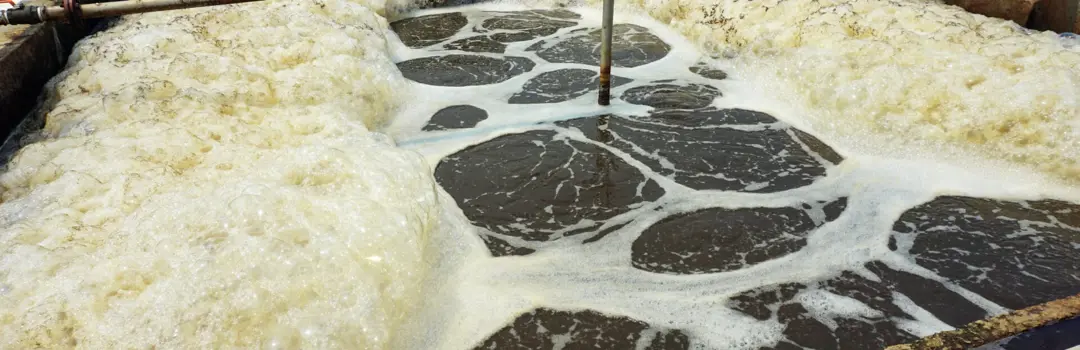
Across the country, workers at chemical plants, manufacturing facilities, wastewater treatment sites, oil refineries, and food processing operations work near open pits, vats, and tanks. These are a normal part of industrial infrastructure and may hold anything from chemicals to food products or other materials needed for daily operations.
But when guardrails are missing, covers have been removed, or edges are wet and poorly lit, these openings become some of the most dangerous hazards in the workplace.
Falls into open tanks, pits, and vats happen in an instant. A worker steps too close to an unguarded edge. A slippery surface near a tank opening causes someone to lose their footing. A cover that was removed during a previous shift was never put back. The results can be catastrophic: drowning, severe burns, exposure to toxins, or impact trauma.
In January 2026, a 71-year-old worker at a chemical plant in Linden, New Jersey, fell into a 6,000-gallon vat as it was being filled with mineral oil. Investigators believe he was working on top of the container when he fell inside. Fire department personnel pulled him out of the container, but he was pronounced dead at the scene.
Falls like this one are not rare, and they are not limited to a single industry. They happen at wastewater plants, oil and gas facilities, food manufacturers, farms, and construction sites. They happen during routine tasks like cleaning, inspecting, sampling, and maintenance. And in nearly every case, they are preventable.
Why Do These Falls Happen?
Falls into vats, pits, and tanks rarely involve reckless behavior or unusual circumstances. They tend to happen during ordinary work, in conditions that the employer should have recognized and addressed before anyone was put at risk.
Missing or Removed Covers & Guardrails
These are among the most frequently cited factors. OSHA's walking-working surfaces standards (29 CFR 1910.28 and 1910.29) require employers to protect workers from falling into holes, pits, and openings by installing covers or guardrail systems. Covers must support at least twice the maximum intended load and must be secured to prevent accidental displacement.
Slippery & Poorly Maintained Surfaces
If the surfaces around a tank, vat, or pit are slippery or poorly maintained, this significantly increases the likelihood of a fall. This includes openings and edges, as well as the general perimeter. In industrial environments, water, oil, chemicals, or condensation can make these areas dangerously slick. Without non-slip surfaces or adequate drainage, workers may be at risk of falling, not just to the floor or a lower level, but into a pit or vessel that could put them in danger of drowning or suffering from toxic exposure.
Inadequate Lighting & Poor Visibility
Workers must be able to recognize how close they are to the opening of a tank or pit. They must be able to see whether the opening is properly covered and how best to navigate around it. Openings must also be clearly marked. Unfortunately, inadequate lighting and poor visibility, especially during night shifts or in interior spaces with limited natural light, can put personnel in danger of falling.
Cluttered or Obstructed Walkways
Walkways near tanks, vats, and pits must be free from clutter. If workers have to navigate around hoses, tools, or other equipment and materials, they are more likely to lose their footing and fall.
What Happens After a Worker Falls into a Pit or Tank?
The severity of a fall into a pit, vat, or tank depends on what is inside, how deep the space is, and how quickly rescue can be performed. In some cases, the consequences are fatal.
Drowning is the primary concern when a worker falls into a tank or vat containing liquid. Even in relatively shallow containers, a worker who is injured by the impact, weighed down by clothing or equipment, or disoriented by the fall may be unable to reach the surface. Depending on its density and viscosity, the liquid itself may prevent even a strong swimmer from staying afloat. And if the liquid is toxic, exposure could lead to loss of consciousness or contact burns.
In the Linden, New Jersey case, the worker fell into a 6,000-gallon container that was being actively filled with mineral oil. His chances of surviving the fall, let alone submersion in oil, were nearly nonexistent. Because mineral oil is less dense than the human body (unlike water, which provides natural buoyancy), it would be extremely difficult to stay afloat . His clothing would have become saturated and heavy almost immediately. He may have inhaled and ingested oil upon contact. Firefighters pulled him out, but it was already too late.
Chemical and thermal burns are another risk. Workers who fall into vessels containing acids, caustic solutions, solvents, or heated materials may sustain severe burns before they can be extracted. In food and beverage manufacturing, large mixing vats and cooking vessels can contain scalding liquids. In chemical processing, a fall into the wrong tank can be fatal within moments.
Impact injuries from the fall itself can be serious, particularly when the drop is significant or when the worker strikes internal structures such as baffles, agitators, or piping on the way down.
Exposure to hazardous atmospheres is a factor in some incidents, particularly when the pit or tank contains or produces toxic gases, depleted oxygen, or chemical vapors. Workers who fall into wastewater tanks, manure pits, or chemical vessels may lose consciousness rapidly after exposure, making it impossible to cry out for help or to pull themselves out.
To make matters worse, rescue is often delayed or complicated. Many industrial tanks and pits have narrow openings, vertical entry points, or internal obstructions that make extraction extremely difficult. When a worker is submerged, injured, or unconscious inside a vessel, getting them out requires specialized equipment and trained personnel. In some cases, untrained coworkers have entered the space to attempt a rescue and been overcome by the same hazards. NIOSH has documented that in confined space emergencies, more than 60% of fatalities occur among would-be rescuers.
Uncovered Openings: A Completely Preventable Risk
One of the most preventable causes of falls into tanks and pits is the failure to adequately protect workers around openings where covers, guardrails, grates, or barriers have been removed.
Sometimes the opening is intentional. During maintenance, inspection, cleaning, or sampling, it is often necessary to open a tank, remove a pit cover, or take down a section of grating to access the space below. But while the opening is exposed, workers nearby may not be adequately protected from falling in.
On the morning of September 23, 2024, a 26-year-old construction laborer at a worksite in Tomball, Texas, was guiding a hose and pump into a wastewater tank when he lost his grip and fell backward through a gap in the grating where two sections had been temporarily removed. He drowned. OSHA investigated and cited violations related to the lack of life jackets and personal fall arrest systems, assessing an initial penalty of $34,755. The opening was there by design for the task being performed, but the worker was not protected from the fall.
Other times, the opening is forgotten. A cover is removed during a day shift and not replaced before the night crew arrives. A guardrail is taken down for repair and left down for days or weeks. A floor grate is pulled up to access piping and never reinstalled. The opening remains, unguarded and potentially unmarked, until someone falls in.
Both scenarios point to the same failure: the employer did not ensure that workers were protected around an exposed opening. Whether the opening was part of an active task or an oversight from a completed one, OSHA's walking-working surfaces standards require that employers guard all holes and openings that could allow a worker to fall. Yet investigation reports consistently cite missing or inadequate fall protection around open pits, tanks, and floor openings as a primary factor in fatal incidents.
The responsibility for protecting workers around these openings, whether they are open for five minutes or five months, lies with the employer.
The Safety Standards Meant to Protect Workers from Falls into Vats, Tanks & Pits
OSHA has established clear requirements for protecting workers from falls into pits, vats, tanks, and similar openings. Different standards apply depending on the industry, the type of opening, and the work being performed.
General Industry Standards
- 29 CFR 1910.22(c) is the most directly applicable standard for this topic. It states that "covers and/or guardrails shall be provided to protect personnel from the hazards of open pits, tanks, vats, ditches, etc."
- 29 CFR 1910.28 and 1910.29 require employers to protect workers from falling through holes and into openings by providing guardrails, covers, or personal fall protection. Covers must be secured and capable of bearing at least twice the maximum intended load. Guardrail systems must meet specific height and strength requirements.
- 29 CFR 1910.146 applies when workers enter spaces that meet OSHA's definition of a confined space, which includes many tanks, vats, pits, and vessels. It requires atmospheric testing, ventilation, entry permits, trained attendants, and written rescue plans before entry.
Construction Industry Standards
- 29 CFR 1926.501(b)(7) requires that workers at the edge of a well, pit, shaft, or similar excavation 6 feet or more in depth be protected from falling by guardrail systems, fences, barricades, or covers.
- 29 CFR 1926.501(b)(8) addresses falls near "dangerous equipment" specifically, requiring that workers be protected from falling into or onto dangerous equipment by guardrail systems or equipment guards. OSHA's preamble to this standard clarifies that "lower level surfaces" include liquids.
- 29 CFR 1926.106 requires that employees working over or near water, where a drowning danger exists, be provided with U.S. Coast Guard-approved life jackets or buoyant work vests, ring buoys with at least 90 feet of line, and a lifesaving skiff.
Broader Obligations
The General Duty Clause requires employers to provide a workplace free from recognized hazards likely to cause death or serious physical harm. This applies even in situations where no specific OSHA standard directly addresses the exact hazard, such as unguarded openings in agricultural settings.
Where Do Falls into Open Pits & Tanks Happen?
Falls into open pits, vats, and tanks occur across a wide range of industries:
- Chemical processing and petroleum refining facilities use large vessels containing hazardous materials that workers must access for cleaning, inspection, and maintenance.
- Wastewater treatment plants are built around open clarifiers, digesters, and lift stations with fall hazards throughout.
- Oil and gas worksites include production tanks and storage vessels that may be accessed during routine operations.
- Food and beverage manufacturing involves mixing vats, cooking vessels, and processing tanks that workers clean and service regularly.
- Agricultural operations expose workers to manure pits, fermentation tanks, and grain storage structures.
- Construction and utility work frequently involves manholes, vaults, and underground infrastructure.
The common factor across these settings is the presence of openings that workers must work near, walk past, or physically enter as part of their jobs. When employers fail to guard those openings, maintain safe walking surfaces around them, and enforce fall protection measures, workers are placed in danger that should never exist.
Every Fall Is a Safety Failure
The pits, vats, and tanks in industrial workplaces are not hidden hazards. They are permanent, known features of the work environment. Employers know they are there. Workers interact with them every day.
That is exactly why falls into these openings are so inexcusable. The hazard is not a surprise. The standards for preventing these incidents are clear and well-established. Guardrails, covers, non-slip surfaces, proper lighting, clear markings, and fall protection systems are all proven, available measures that employers are required to provide.
When a worker falls into an unguarded pit or an open tank, the question is not what the worker did wrong. The question is what the employer failed to do. Every one of these incidents represents a breakdown in the basic duty to keep a workplace safe, and every one of them is preventable.
- Categories