Cruise Ship Hantavirus Strain Identified as Andes Virus, the Only Hantavirus to Spread Person-to-Person
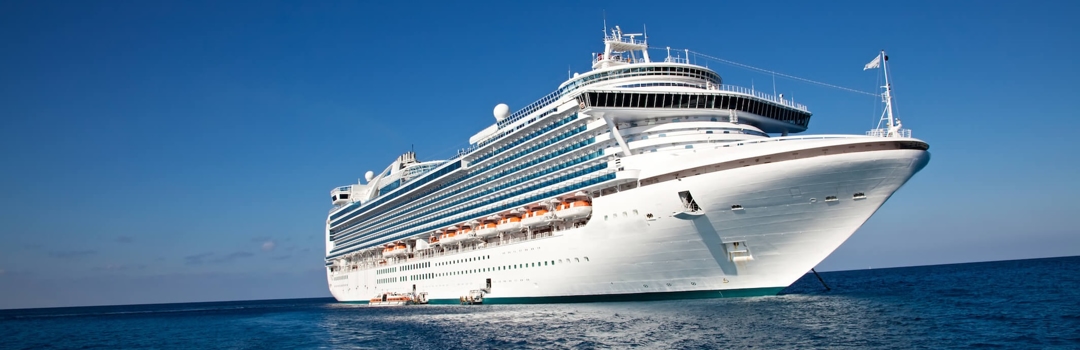
International health authorities have identified the strain responsible for the hantavirus cruise ship outbreak as Andes virus, the only known hantavirus capable of person-to-person transmission. The identification, reported by NPR and other outlets this week, has reshaped how public health agencies are approaching an investigation already linked to three deaths and an expanding contact-tracing operation that now spans multiple countries.
The distinction matters because nearly every other known hantavirus spreads only through contact with infected rodents or contaminated environments—not between humans. Andes virus is the lone documented exception, a feature that has long set it apart in the medical literature and that helps explain how a single shipboard exposure could cascade into a multi-victim outbreak in a closed environment.
Recap of the Outbreak
Three passengers on the MV Hondius died after developing symptoms consistent with hantavirus pulmonary syndrome (HPS), a respiratory illness with a historically high fatality rate. The cluster prompted immediate questions from epidemiologists, since hantavirus infections are typically isolated cases rather than outbreaks, and the strains found in most regions cannot move between people.
The identification of Andes virus offers the first clear explanation for how multiple infections could occur in close proximity. Researchers studying earlier South American outbreaks have documented household clusters and healthcare-worker infections, suggesting the virus can transmit through close contact, particularly in enclosed settings.
What Is Andes Virus?
Andes virus, often abbreviated ANDV, is endemic to parts of Argentina and Chile, where it is carried primarily by the long-tailed pygmy rice rat. Most human infections occur when people inhale aerosolized particles from rodent urine, droppings, or saliva, often in rural settings, agricultural buildings, or shelters that have been colonized by infected rodents.
Once a person is infected, the virus can produce hantavirus pulmonary syndrome, which begins with flu-like symptoms—fever, muscle aches, fatigue—before progressing rapidly to severe respiratory distress as fluid accumulates in the lungs. There is no specific antiviral treatment for HPS; care is largely supportive, focused on oxygenation and hemodynamic stabilization in an intensive-care setting. Case fatality rates for Andes virus infections have historically ranged between roughly 30 and 40 percent.
What separates Andes virus from other hantaviruses is the documented potential for human-to-human spread. The first such cluster was identified in Argentina in the mid-1990s, when investigators traced cases among household members and medical personnel who had no rodent exposure but had been in close contact with infected patients. Subsequent research has refined that picture, but the basic finding has held: under certain conditions, Andes virus can move between people, likely through respiratory droplets and prolonged close contact.
Contact Tracing Expands Across Borders
The Wall Street Journal reported that a confirmed case has emerged in Switzerland, prompting Swiss health authorities to launch a contact-tracing effort to identify others who may have been exposed. Because the cruise ship’s passengers and crew dispersed across multiple countries after disembarking, public health agencies are now coordinating across borders to locate travelers who may have come into contact with infected individuals during or after the voyage.
According to CNN, the World Health Organization is supporting national health agencies in the response and has issued guidance for clinicians who may encounter patients presenting with HPS-like symptoms following recent travel. The WHO’s involvement reflects both the international scope of the outbreak and the unusual nature of a hantavirus capable of person-to-person spread reaching populations far from its endemic range.
Open Questions
Several questions remain unresolved as the investigation continues. Investigators have yet to determine how Andes virus reached the vessel—whether through contact with an infected rodent population at a port of call, through a passenger or crew member who boarded with an early-stage infection, or through some other route. The geographic origin of the index case is also unclear, given that Andes virus is endemic only to parts of South America while the cruise’s itinerary and passenger origins span multiple continents.
The possibility of person-to-person transmission also expands the scope of people who may be considered at risk, including individuals who interacted with passengers after disembarkation. As contact tracing continues and laboratory analysis advances, more details are likely to emerge in the coming weeks.
For now, public health authorities have urged anyone who was aboard the vessel, or who has had close contact with someone who was, to monitor for symptoms and seek prompt medical attention if signs of HPS appear. General background on hantavirus exposure and illness remains available for those seeking additional context as the investigation continues.
If you or a loved one were aboard the MV Hondius, learn about your legal options.
- Categories
- News