Third Coast Faces Historic $9.6 Million Fine Following Gulf of Mexico Oil Spill
Federal pipeline safety regulators have levied an unprecedented $9.6 million penalty against Third Coast Midstream following a large oil spill in the Gulf of Mexico in 2023. The fine represents the largest enforcement action ever taken by the Pipeline and Hazardous Materials Safety Administration (PHMSA).
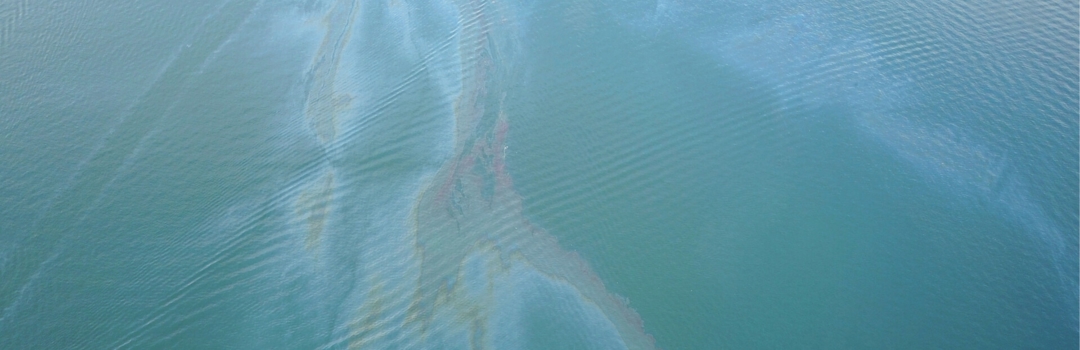
On the evening of November 15, 2023, an area of Main Pass Oil Gathering’s 67-mile pipeline system, operated by Panther Operating Company and a subsidiary of Third Coast, ruptured approximately 19 miles offshore from the Mississippi River Delta. The breach, which occurred in an environmentally sensitive area near Main Pass 69, released about 1.1 million gallons of crude oil, creating a slick that stretched approximately 40 miles across the water off Louisiana.
Aerial surveys documented dark crude oil scattered throughout a plume measuring three to four miles wide in some sections. Response crews deployed skimmer vessels and conducted overflights to track the spreading contamination, while remotely operated vehicles searched underwater to locate the precise source of the leak. According to federal investigators, the environmental disaster could have been significantly less severe had control room personnel responded more swiftly to early warning indicators.
Delayed Response Allegedly Worsened Environmental Impact
The National Transportation Safety Board (NTSB) determined that Third Coast operators took nearly 13 hours to shut down the compromised pipeline after monitoring systems first detected irregularities. This prolonged delay allowed the spill to continue unabated, vastly increasing the volume of oil released into sensitive marine environments.
PHMSA's investigation uncovered multiple safety deficiencies that contributed to the disaster. Federal regulators found that Third Coast failed to establish adequate emergency response protocols and did not properly evaluate risks to the 18-inch pipeline infrastructure. PHMSA also alleged that the company neglected to conduct updated integrity assessments despite changing conditions that elevated the pipeline's risk profile.
Systemic Safety Failures Identified
Pipeline Safety Trust Executive Director Bill Caram characterized the incident as stemming from widespread organizational failures rather than an isolated error. He noted that the spill demonstrated the Houston-based operator's inability to effectively implement mandatory pipeline safety regulations across its operations.
The NTSB's final investigation report, released in June, revealed that underwater landslides triggered by hurricane activity caused the pipeline rupture. Critically, investigators found that Third Coast overlooked multiple opportunities to address known geological hazards threatening the pipeline's structural integrity, despite such risks being widely recognized throughout the oil and gas industry.
Third Coast Disputes Allegations
Third Coast representatives expressed surprise at certain aspects of the federal enforcement action, stating the company has worked cooperatively with PHMSA throughout the two-year investigation period. A company spokesperson indicated that Third Coast views certain allegations as inaccurate and inconsistent with regulatory precedent and plans to address these concerns directly with the agency.
The company emphasized its track record of meeting or exceeding pipeline safety requirements across its operational footprint.
Fine Amount Raises Questions About Real Impact
While the $9.6 million fine sets a new record, some safety advocates question whether the penalty will prove sufficient to drive meaningful operational changes. The fine amounts to less than 3% of Third Coast Midstream's estimated annual revenue. By comparison, the company recently secured financing exceeding $900 million and maintains stakes in approximately 1,900 miles of pipeline infrastructure.
Industry observers note that PHMSA typically assesses between $8 million and $10 million in total penalties annually across all pipeline operators nationwide, making this single fine nearly equivalent to the agency's typical annual enforcement total.
Fines play an important role in holding companies accountable when negligence leads to environmental disasters and causes humans, animals, and communities harm. This record-setting penalty goes beyond a financial deterrent by drawing a clear line in the sand that such negligence cannot—and will not—be tolerated.
- Categories
- Oil & Gas Industry