Venezuelan Oil Has Huge Consequences for Worker Safety at Big Refineries
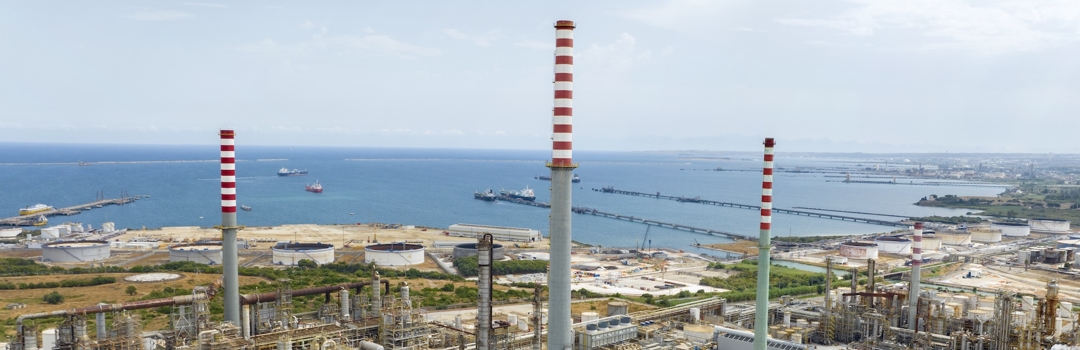
Recent developments in global oil markets have focused attention on Venezuela’s vast untapped oil reserves and their potential impact on U.S. Gulf Coast refineries. As discussions continue about increased Venezuelan oil imports, the implications extend far beyond market dynamics to include critical workplace safety concerns at refineries specially equipped to process heavy sour crude.
In other words, refineries could start ramping up production, which means workers have to be more vigilant about their safety.
Why Venezuelan Oil Imports?
Venezuela holds approximately 17% of the world’s proven oil reserves—roughly 303 billion barrels—making it one of the largest repositories of petroleum. Despite this enormous resource, the country currently produces only about 1% of the global oil supply, meaning approximately 94% of its reserves remain undeveloped.
The viscosity of Venezuelan oil presents unique extraction challenges. The country’s reserves consist primarily of heavy sour crude, a thick, sulfur-rich variety of petroleum that requires specialized processing. However, recent reports indicate that circumstances may be changing. Chevron, currently the only company authorized to export Venezuelan oil, has begun accelerating deliveries to the United States. The company is sending 11 vessels this month carrying approximately 152,000 barrels—about 23% more than it delivered in December and the highest volume since October.
Energy sector discussions have centered on the potential for significantly expanded Venezuelan oil imports. According to reports, proposals have included importing between 30 and 50 million barrels of Venezuelan oil, though timelines and terms remain unclear. U.S. Energy Secretary Chris Wright has reportedly met with oil executives to discuss rapidly importing Venezuelan oil to address the current supply glut and prevent drilling operations from shutting down.
Independent energy analysts from Rystad Energy estimate that revitalizing Venezuela’s oil industry to 1990s production levels would require approximately $183 billion in investment over the next decade. The financial viability of such investments depends on global oil prices. Rystad Energy projects that oil would need to reach $80 per barrel for Venezuelan projects to achieve profitability, while current prices hover around $61 per barrel. If prices fall below $50, profit margins would thin considerably, potentially slowing development.
Gulf Coast Refineries & Heavy Crude Processing
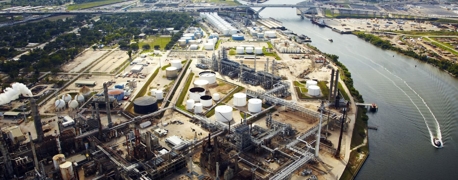
The United States Gulf Coast hosts the world's largest heavy crude refineries. These facilities invested heavily years ago in specialized equipment to process heavy sour crude, anticipating steady supplies from countries such as Mexico, Colombia, and Canada. However, the subsequent boom in U.S. shale oil production through hydraulic fracturing shifted domestic focus toward lighter crude varieties, leaving these heavy crude facilities with excess capacity.
Venezuela’s oil supply presents several advantages for Gulf Coast refineries. The geographic proximity between Venezuela and the Gulf Coast significantly reduces transportation costs compared to shipping to refineries in China, Malaysia, or India. This proximity becomes particularly important for heavy crude, which must be diluted before loading onto tankers, making the frequency and size of oil tanker fleets critical cost factors.
Industry analysts suggest U.S. refineries could process Venezuelan heavy crude at substantially lower costs than international competitors, potentially offering discounts of 30% or more. The combination of specialized refining capabilities, geographic proximity, and favorable shipping logistics positions Gulf Coast refineries to handle increased Venezuelan oil imports.
The potential economic impact extends well beyond the refineries themselves. The U.S. refining industry currently supports approximately 3 million jobs across the economy based on the roughly 65,000 to 80,000 people it directly employs. The oil refining industry has one of the highest job multipliers in the U.S. economy—every direct refinery job creates approximately 45 additional jobs in supporting industries and services. This means that even modest increases in refinery employment could trigger substantial job growth throughout the broader economy.
Workplace Safety Concerns in Heavy Crude Refining
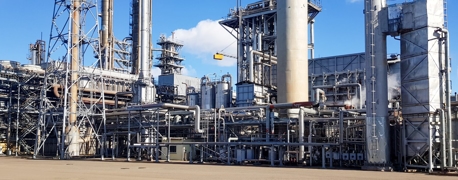
The potential increase in Venezuelan oil imports raises significant workplace safety concerns. Processing heavy sour crude presents distinct hazards that differ from those of refining lighter crude varieties. The high sulfur content and viscosity of heavy crude require more intensive processing, exposing workers to additional risks.
Processing heavy sour crude involves multiple stages that can create dangerous conditions. The desulfurization process, necessary to meet environmental standards and produce usable products, generates hydrogen sulfide—a toxic gas that can cause serious injury or death even at low concentrations. Workers involved in these operations face the risk of toxic exposure if safety protocols are not rigorously maintained.
The heating requirements for heavy crude also increase the risk of fire and explosion. Because heavy crude is more viscous, it must be heated to higher temperatures throughout the refining process to maintain flow through equipment. These elevated temperatures increase the potential severity of accidents involving equipment failures, leaks, or ruptures.
Corrosion represents another serious concern. The high sulfur content in heavy sour crude accelerates corrosion of pipes, valves, and processing equipment. If refinery operators fail to implement proper maintenance schedules and corrosion monitoring programs, equipment failures can lead to catastrophic releases of hazardous materials, fires, and explosions.
Refineries that process heavy crude also generate more hazardous byproducts and waste. Workers handling these substances face exposure to carcinogens and toxic chemicals. Proper personal protective equipment, ventilation systems, and waste-handling procedures are critical to preventing occupational illnesses and long-term health consequences.
The Critical Importance of Safety Compliance
As Gulf Coast refineries potentially ramp up heavy crude processing, the imperative to maintain strict safety compliance becomes even more urgent. We’ve seen this pattern before: increased production volumes and operational intensity create pressure to prioritize output over safety practices—and we’ve represented too many workers who paid the price when their employers gave in to that pressure.
“Oil companies don’t do the right thing unless doing the wrong thing is too costly for them,” said Houston trial attorney Kurt Arnold. “As production ramps up, companies have a responsibility to ensure production is safe."
When refineries cut corners on safety to maximize profits or meet production targets, workers suffer catastrophic injuries and families lose loved ones. As attorneys who have spent years fighting for injured refinery workers, we know exactly how these tragedies unfold.
- Equipment that should have been inspected goes unchecked.
- Maintenance that should have been performed gets deferred.
- Warning signs that should have triggered shutdowns get ignored.
- Workers who raise safety concerns face retaliation or dismissal.
Federal regulations administered by the Occupational Safety and Health Administration establish minimum safety standards for refinery operations. These regulations cover process safety management, hazardous chemical exposure limits, personal protective equipment requirements, emergency response procedures, and numerous other critical safety elements. When it comes to “minimum standards,” it’s the floor. Not the ceiling. Refineries processing heavy sour crude should implement safety measures that exceed these requirements, given the enhanced risks associated with this type of petroleum.
Best practices include comprehensive worker training programs that go beyond checking boxes on compliance forms, regular safety audits conducted by independent experts rather than company personnel with conflicts of interest, robust maintenance schedules that actually get followed rather than waived when production demands increase, state-of-the-art monitoring systems for detecting leaks and hazardous gas releases, and a workplace culture that genuinely empowers employees to report safety concerns without fear of retaliation.
That last point deserves emphasis. In our experience representing injured refinery workers, we’ve seen countless cases where workers knew about dangerous conditions but felt they couldn’t speak up. They feared losing their jobs, being labeled as troublemakers, or being reassigned to less desirable positions. Companies that claim to prioritize safety while simultaneously creating environments where workers fear reporting hazards are engaged in dangerous hypocrisy.
Refinery operators bear legal and ethical responsibility for ensuring their facilities operate safely, regardless of production pressures or market conditions. The law is unambiguous on this point. When companies fail in this duty—when they choose profits over safety—they must be held accountable.
Legal Accountability for Refinery Injuries
Workers injured at refineries due to employer negligence or safety violations have legal rights. The complexity of refinery operations, the involvement of multiple contractors and subcontractors, and the technical nature of safety regulations make it essential for injured workers to work with attorneys who understand the industry.
Determining liability in plant and refinery accidents requires a thorough investigation. Was the injury caused by inadequate maintenance? Did the employer fail to provide proper safety equipment or training? Were known hazards left unaddressed? Did the company pressure workers to bypass safety protocols to maintain production schedules? Answering these questions often requires reviewing maintenance records, safety inspection reports, training documentation, and industry standards.
Multiple parties may bear responsibility for refinery injuries. The refinery operator, equipment manufacturers, maintenance contractors, and staffing companies may all share liability depending on the circumstances. Injured workers deserve compensation not only for immediate medical expenses and lost wages but also for long-term care needs, permanent disabilities, and the impact on their quality of life.
Holding negligent refinery operators accountable serves purposes beyond individual compensation. When companies face meaningful consequences for safety failures, they have stronger incentives to prioritize worker protection. Legal accountability helps drive industry-wide improvements in safety standards and practices.
The Path Forward
As the oil industry navigates potential changes in crude supply sources and refining operations, worker safety cannot be treated as secondary to production goals. We say “cannot” not as wishful thinking but as a statement of legal and moral obligation. Gulf Coast refineries may face increased operational demands as global oil markets evolve. The specialized capabilities of these facilities to process heavy sour crude position them to play a significant role in meeting energy needs.
But here’s what we know from decades of representing injured workers: increased activity almost always brings increased risk unless companies make deliberate, sustained investments in safety. Refinery operators must maintain rigorous safety standards, invest in equipment maintenance and upgrades, provide comprehensive worker training, and foster workplace cultures where safety concerns are heard and addressed promptly. Not because it’s good public relations, but because workers' lives depend on it.
For workers in the refining industry, understanding workplace rights and safety protections is essential. You have the right to a safe workplace. You have the right to report hazards without retaliation. You have the right to refuse work that you reasonably believe poses imminent danger. And if you are injured because your employer violated those rights or failed to maintain safe conditions, you have the right to hold them accountable in court for everything you’ve lost.
At Arnold & Itkin, our attorneys have extensive experience representing workers injured in refinery accidents. We understand the technical aspects of refinery operations, the industry's safety regulations, and the tactics companies use to minimize their liability. Our legal team conducts thorough investigations to determine accident causes and identify all responsible parties.
If you have been injured in a refinery accident, contact Arnold & Itkin for a free consultation. Call us today at (888) 493-1629.