Toy Safety Blindspots Parents Should Know in 2025
Most parents assume that if a toy is sold at a major retailer or pops up in an online marketplace, it must have been tested for safety. After all, laws today are stricter than they’ve ever been, and most of us grew up hearing about recalls that helped make toys safer.
And it’s true: toy safety has come a long way. Laws like the Consumer Product Safety Improvement Act of 2008 (CPSIA) brought mandatory third-party testing, strict lead and phthalate limits, and an overhaul of standards. In fact, U.S. toy recalls dropped by nearly 86% between 2008 and 2016, a dramatic decline attributed to tighter rules. But recent government reports show a more complicated picture: while recalls are down, unsafe toys still slip through—especially in the age of e-commerce.
If that's news to you, you're far from alone—and it certainly doesn't reflect poorly on your parenting. Parents should be able to trust that the products on store shelves and in online listings are safe for their children. When that trust is broken, the failure belongs to the manufacturers, distributors, and platforms that let unsafe products reach families in the first place. The information in this article is meant to help parents go a step further, not because it's your job to do the work of regulators and manufacturers, but because your child's safety is worth every extra layer of protection you can add.
The State of Toy Safety Today
Our progress on toy safety is undeniable. Regulations now cover everything from choking hazards to toxic exposure. The Child Safety Protection Act of 1994 banned certain toys for toddlers and required choking hazard warnings on products for ages 3–6. The Federal Hazardous Substances Act bans toys with lead or dangerous chemicals, and the CPSIA of 2008 mandated independent testing for toys intended for children under 12.
But laws don’t cover everything. For example, there’s no uniform flammability standard for toys, and enforcement often lags behind new hazards like button batteries and high-powered magnets.
And while many manufacturers comply, unsafe toys still find their way onto shelves. In 2023, the Consumer Product Safety Commission (CPSC) and U.S. Customs seized over 1.1 million unsafe or illegal toys at U.S. ports. In Europe, the EU Safety Gate system flagged 467 dangerous toys in 2023, most from rogue importers with no brand oversight. Health Canada reported 153 toy-related incidents in 2021, with small parts (27%) and toxic chemicals (19%) as the top hazards.
So while toys are generally safer than in past decades, unsafe products still slip through—especially from lesser-known online sellers.
What the Numbers Show
Toy-related deaths and injuries highlight the gap between regulation and reality. According to the CPSC’s 2023 report, U.S. emergency departments treated 231,700 toy-related injuries—72% involving kids under 14. There were also 10 toy-related child deaths that year:
- 4 choking deaths (two on small bouncy balls, two on crayons)
- 2 drowning accidents while using flotation devices
- 2 suffocations in a wooden toy chest
- 1 scooter accident
- 1 magnet ingestion death
The vast majority of fatalities (80%) were from asphyxia—choking, drowning, or suffocation.
Other data confirms this pattern. The Centers for Disease Control recognizes airway obstruction as a leading cause of unintentional injury death in children under a year old. Balloons in particular remain one of the most dangerous “toys,” causing more choking deaths than any other children’s product.
Hidden Hazards Parents Should Watch For
1. Choking Hazards
Small parts remain the biggest killer. The CPSC reports choking on small, detachable toy parts as the leading cause of toy-related deaths. Similarly, Children’s Hospital Los Angeles says “Choking on balloons and small balls and parts continues to be the leading cause of toy-related deaths.”
Parent takeaway: Avoid latex balloons for children under 8. Inspect toys carefully for detachable small parts, even if packaging looks safe.
2. Strangulation Hazards
Some toys present hidden strangulation risks. The Yo-Yo ball, banned in several countries, has been linked to nearly 400 injuries, including strangulation and eye damage. Even nets on basketball hoops or cords on pull toys can entrap a child’s neck.
Parent takeaway: Follow the “no long cords, nets, or strings” rule.
3. Sharp Points & Edges
Unsafe or counterfeit toys often bypass quality checks. In one CBS investigation, four toys purchased online failed accredited lab tests for hazards including sharp edges, exposed batteries, and powerful magnets. PIRG’s 2022 Trouble in Toyland report also found dozens of recalled toys still being sold online, months or years after official bans.
Parent takeaway: If a toy looks flimsy or poorly made, trust your instincts. Counterfeit or knockoff toys are far more likely to hide sharp edges or exposed parts.
4. Noise Levels
Hearing damage is an often-overlooked hazard. Toy standards cap noise at about 85–90 decibels at 50 cm, but kids hold toys much closer. In 2021, the Sight & Hearing Association found 79% of toys tested exceeded 85 dB, with one toy chicken reaching 109 dB—loud enough to damage hearing in minutes.
Health Canada’s 2023 compliance project, by contrast, found all toys tested within regulated noise limits. The discrepancy reflects a gap between “lab compliance” and “real-world use.”
Parent takeaway: Test toys at home. If it sounds uncomfortably loud near the ear, it’s too loud.
5. Chemical Hazards
While CPSIA reduced lead and phthalates in toys, unsafe products still surface. In 2023, the EU flagged multiple soft plastic toys with phthalate levels 200–300 times higher than the legal limit. At U.S. ports in 2023, over 100,000 seized toys still contained banned lead paint.
Parent takeaway: Stick to trusted brands and retailers, and check for recalls before buying.
6. Button Batteries & Magnets
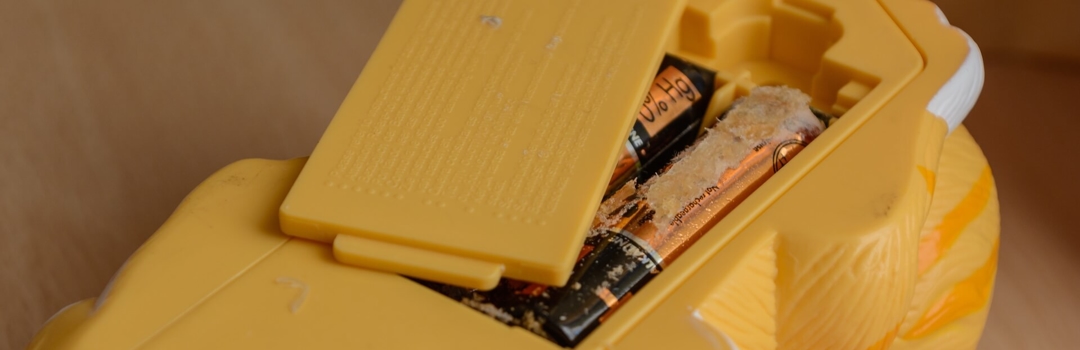
When swallowed, button batteries are potentially deadly. The CPSC reported a 93% increase in button battery ER visits among children 5–9 during 2020. Inside the body, these batteries can cause fatal burns within hours. In response, Congress passed Reese’s Law (2022), requiring child-resistant compartments for all products with button batteries.
Magnets pose a similar danger. When high-powered magnet sets were briefly allowed back on the market in 2018, magnet ingestion cases spiked 444%. These small magnets can perforate intestines if more than one is swallowed. The CPSC issued a new magnet rule in 2022 after hospitalizations and even deaths were reported.
Parent takeaway: Avoid toys with button batteries or loose magnets for younger kids.
7. Contradictory Instructions
Sometimes the danger lies in the fine print. Safety audits have found toys pictured outdoors labeled “for indoor use only,” or packages with inconsistent age ratings inside and out. These contradictions make it harder for parents to assess risk.
Parent takeaway: Always compare instructions and packaging for consistency.
A Toy Safety Checklist to Empower Parents
Before buying or gifting a toy, run through this quick checklist:
- No small parts for children under 3.
- No balloons for children under 8.
- No cords, strings, or nets that could entrap a neck.
- No loud noises (test it yourself—cover speakers if needed).
- No sharp points or edges.
- No detachable batteries or magnets.
- No chemical odors or suspicious packaging.
- Instructions match the age range and usage depicted on packaging.
Resources Parents Can Use
Toys today are safer than ever, thanks to strong laws and stricter testing. Recalls for lead paint and obvious hazards have dropped dramatically. But government data show the risks that remain—choking, suffocation, unsafe imports, batteries, magnets, and noise—still injure or kill children every year.
For yearly lists and updates on dangerous toys, visit:
- World Against Toys Causing Harm (WATCH)
- Toy Safety
- CPSC Recalls
- EU Safety Gate
- Health Canada Recalls and Safety Alerts
Parents can take the next step by becoming their own household safety inspectors. A simple checklist, paired with recall awareness, empowers families to spot red flags before they reach the playroom. Then you’ll find real peace of mind while your kids get the freedom to enjoy toys as children should: with joy, curiosity, and laughter.
- Categories