5 Most Dangerous Offshore Oil & Gas Companies
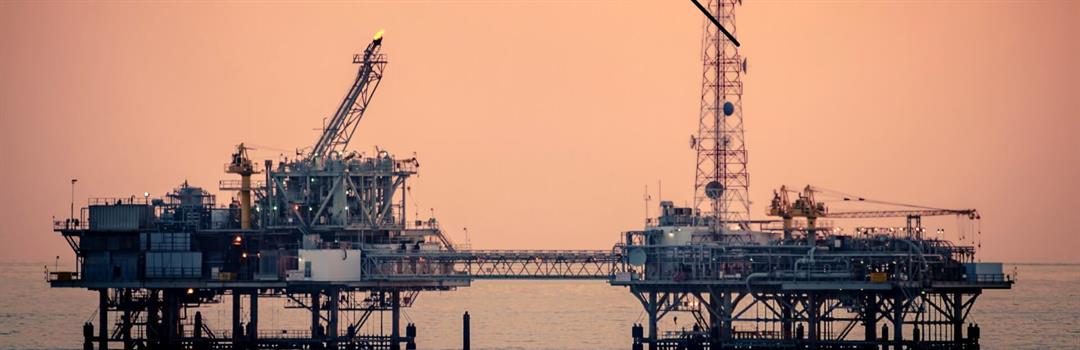
The oil and gas sector serves as a cornerstone of the global energy supply, powering various industries, our homes, and transportation. This sector is not just a source of energy—it's a driving force behind nearly every aspect of modern life. A significant portion of its activities occur offshore, particularly in offshore exploration and drilling. For the United States, these operations are centered in the Outer Continental Shelf (OCS).
Extending from state jurisdiction to 200 nautical miles from shore, the OCS is a key region under the ocean's surface, rich in oil and gas reserves. Extracting these resources is a complex and challenging endeavor, involving sophisticated technology and intricate operations. The process goes far beyond simply drilling into the seabed; it involves managing advanced equipment, navigating the unpredictable ocean environment, and ensuring safety and environmental protection.
The companies that operate on the OCS have an obligation to protect their crews—despite the challenging conditions in which they work. They must comply with state and federal regulations concerning safety equipment, drilling and extraction, equipment maintenance, weather monitoring, and a host of other factors that ultimately determine the efficacy and safety of their operations.
Unfortunately, the offshore oil and gas companies that operate on the OCS have a concerning track record that includes fires, explosions, and spills that threaten their workers and the environment.
Analyzing Offshore Incident Statistics: 2017-2021
The BSEE plays a pivotal role in regulating offshore activities on the Outer Continental Shelf. It is tasked with ensuring safety and environmental protection, primarily through rigorous oversight and enforcement of safety standards. As a part of this, the BSEE collects offshore incident statistics, providing valuable insights into the safety records of companies operating on the OCS.
“Offshore incidents” may include injuries, fires, explosions, leaks, gas releases, collisions, losses of well control, fatalities, and other events that endanger operations, crews, and the environment. Analyzing data from 2017 to 2021 reveals which companies may be considered the most dangerous to work for, based on the number of total incidents as well as injuries and fatalities.
Over this period, five companies stand out.
Five Years, Five Operators, One Pattern
Shell Offshore, Inc.
Founded in 1981 as a subsidiary of Shell plc (formerly known as Royal Dutch Shell plc), Shell Offshore is a major player in the OCS. Unfortunately, the company has a consistently high number of offshore incidents recorded by the BSEE.
From 2017-2021, Shell reported a total of 366 incidents, including 116 injuries and 3 fatalities.
Fieldwood Energy / Fieldwood Energy Offshore LLC
Headquartered in Houston, Texas, and founded in 2013, Fieldwood Energy was one of the largest operators in the Gulf of Mexico. The company filed for bankruptcy in 2020 and was succeeded by QuarterNorth Energy, which acquired most of Fieldwood’s assets for $1 billion.
Fieldwood reported 253 incidents, including 95 injuries and 2 fatalities.
BP Exploration & Production, Inc.
Founded in 1996 as a subsidiary of BP (British Petroleum), BP Exploration and Production is another key operator on the OCS. BP is headquartered in London, U.K., and BP Exploration and Production conducts its business operations in Texas.
BP reported 256 incidents, including 64 injuries and 1 fatality.
Anadarko Petroleum Corporation
Anadarko Petroleum Corporation was formed in 1959 as a subsidiary of Pan Handle Eastern Corporation Pipeline Company. In 2019, Anadarko was acquired by Occidental Petroleum Corporation for $57 billion. The company remains a significant player in OCS oil and gas exploration.
Anadarko reported 207 incidents, including 56 injuries and 1 fatality.
Talos Energy, Inc.
Talos Energy was founded in 2012 and is one of the primary operators in the Gulf of Mexico and the Gulf Coast. The company’s subsidiaries include Talos Energy Offshore, Talos ERT, Talos Oil and Gas, Talos Petroleum, and Talos Third Coast, all of which operate on the OCS.
Talos reported 254 incidents, including 49 injuries and 1 fatality.
The Five Companies at a Glance
High-Risk Companies Operating on the OCS: Key Takeaways
Looking over incident, injury, and fatality statistics from 2017-2021, we can make the following assessments.
High-Risk Companies Operating on the OCS: Key Takeaways
Implications for Offshore Worker Safety
These statistics highlight the dangers in offshore oil and gas operations and the varying safety records of the key companies operating on the OCS. Companies with high incident and injury rates require closer scrutiny and enhanced safety measures. It's also evident that a lower number of incidents does not necessarily correlate with fewer fatalities, emphasizing the need for robust safety protocols across all operations.
In all, it's a stark reminder that in the high-stakes environment of offshore drilling, prioritizing safety is not just a regulatory compliance issue but a moral imperative to protect human lives.
When offshore workers are hurt in rig explosions, fires, or losses of well control on the Outer Continental Shelf, the circumstances that follow tend to reveal the same pattern of poorly maintained safety equipment, ignored protocols, and operators who treated routine drilling operations as free from oversight rather than hazards demanding strict compliance. Arnold & Itkin represents offshore workers and families in exactly these situations. The firm’s attorneys who handle offshore injury and death cases have recovered verdicts and settlements against offshore oil and gas companies, drilling contractors, and vessel operators across the Gulf of Mexico and beyond, contributing to a firm record of more than $25 billion recovered on behalf of clients. Arnold & Itkin is based in Houston and takes cases throughout Texas, Louisiana, and nationwide.
- Categories