What Maritime Employers Owe Injured Workers
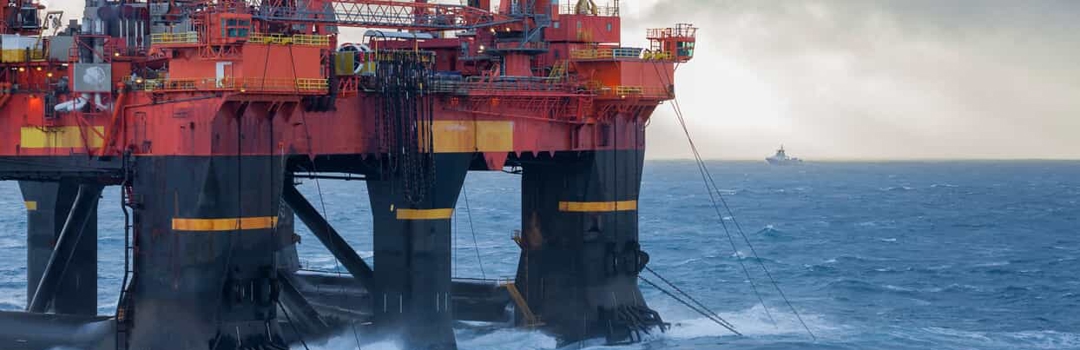
Maritime work is dangerous by nature, but the law has never accepted danger as an excuse. Precisely because the work is dangerous, maritime employers and vessel owners carry duties that land employers do not, and the numbers show why those duties exist.
The Employer’s Duties
A maritime employer owes its crew a reasonably safe place to work. In practice, that means proper training before workers take on dangerous tasks, equipment that is maintained and fit for use, adequate crewing so no one is forced to do a three-person job alone, and safe work practices that don’t evaporate when a schedule gets tight. Rough seas are not a defense when the storm was in the forecast and the company sailed anyway. We have seen every version of the choice between safety and schedule, and the law lets a jury judge it.
The Vessel Owner’s Duty: A Seaworthy Ship
Separately from the employer’s duty, the vessel’s owner owes every seaman a seaworthy vessel: a ship reasonably fit for its intended purpose, with a competent crew, working equipment, and safe conditions. This duty is absolute and cannot be delegated to anyone else. A vessel can be unseaworthy because of a missing rail, an untrained captain, improperly stowed cargo, or too few hands on deck. When an unseaworthy condition injures a worker, the owner is liable regardless of how careful it claims to have been.
What the Injured Worker Is Owed Automatically
Duties Are Proven with Documents
Every duty above lives or dies on evidence the company controls: training records, maintenance logs, crewing rosters, weather advisories, and the incident report written in the hours after you were hurt. That evidence gets overwritten, lost, or rewritten fast. When we take a maritime case, preservation letters go out immediately, and we get to the logbooks and the crew before the story hardens. If you were hurt offshore, report the injury, insist on a written incident report, and keep copies of everything the company gives you.
When Duties Are Broken, the Claims Follow
An employer’s broken duty becomes a Jones Act negligence claim. A vessel owner’s broken duty becomes an unseaworthiness claim. An employer that withholds maintenance and cure can owe punitive damages on top. Most serious offshore cases involve all three, brought together by a Houston maritime lawyer who knows how to prove each one.