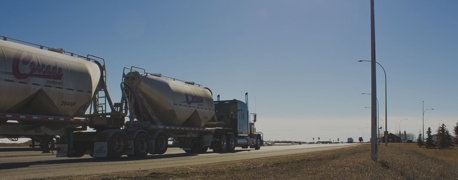
Texas Ranks Third in Fatal Drowsy Truck Crashes, New Study Finds

A recently released study has confirmed what safety advocates have long feared: Texas remains one of the most dangerous states in the nation for fatal truck accidents caused by drowsy drivers. According to recent data, Texas ranks third nationally for fatal large-truck crashes involving fatigued drivers.
The study analyzed crash data from the U.S. Department of Transportation’s Crash Data Analysis Network, examining both the average annual number of fatal large truck crashes and the percentage of those crashes involving drowsy drivers. The findings paint a troubling picture of an ongoing safety crisis on Texas roads.
The Scale of the Problem
Texas has long been identified as a hotspot for drowsy driving accidents. Earlier data showed that Texas accounted for 22.1% of drowsy driving fatalities nationwide in 2016, leading the nation by a considerable margin. The latest study suggests this dangerous trend has continued, with Texas now ranking third in fatal crashes specifically involving drowsy truck drivers.
The study attributes Texas' high ranking to several factors, including the scale of freight traffic moving through the state and the prevalence of long-haul routes. These factors create an environment in which commercial drivers face longer distances, tight delivery schedules, and limited opportunities for adequate rest.
As the study notes, drowsiness significantly reduces reaction time and decision-making ability. When large trucks are involved, even a brief lapse in attention can result in catastrophic consequences. The National Highway Traffic Safety Administration has long warned that fatigued driving is comparable to drunk driving in terms of impairment. Being awake for 17 hours straight produces effects similar to having a blood alcohol concentration of 0.05%, while staying awake for 24 hours is equivalent to a BAC of 0.10%—well above the legal limit for driving.
The Driver Shortage Crisis
What makes these statistics even more alarming is the context in which they’re occurring. Texas faces a significant shortage of commercial truck drivers, which may be contributing to increased fatigue among those currently on the road.
Despite employing more than 212,000 heavy and tractor-trailer truck drivers as of 2024—more than any other state—Texas still cannot meet the industry’s demand. The HDS Truck Driving Institute estimates there was a nationwide shortage of approximately 80,000 drivers in 2024, a deficit that continued throughout 2025. John Esparza, president of the Texas Trucking Association, estimates that Texas alone will need to hire 160,000 additional drivers by the end of the decade.
This shortage creates a dangerous ripple effect.
When there aren’t enough drivers to handle the workload, the available drivers must take on more responsibilities. More work means longer hours, tighter schedules, and less time for proper rest.
Federal Regulations & Industry Pressures
The Federal Motor Carrier Safety Administration established hours-of-service regulations specifically to combat driver fatigue. Under current rules, truck drivers are limited to 11 hours of daily driving within a 14-hour workday, with a maximum average of 70 hours per work week. Drivers who reach the weekly limit must take 34 consecutive hours of rest before returning to the road. Additionally, truckers are required to take at least a 30-minute break within the first eight hours of their shift.
These regulations were developed through scientific testing to ensure drivers receive adequate rest. Research has consistently shown that the risk of a crash effectively doubles from the 8th to the 10th hour of driving and doubles again from the 10th to the 11th hour. According to the Federal Motor Carrier Safety Administration, over 750 people die, and more than 20,000 are injured each year due to fatigued truck drivers.
However, enforcement remains a challenge. While the implementation of Electronic Logging Devices has helped monitor driver hours more accurately, companies still pressure drivers to meet deadlines at the expense of safety. When drivers are paid by the mile or by the load, they face strong financial incentives to drive past their natural limits, even when regulations and common sense dictate they should rest.
Factors That Increase Truck Driver Fatigue
The study highlights several factors that contribute to drowsy driving among commercial truckers. Time of day plays a significant role, with fatigue-related accidents most likely to occur between midnight and 6 a.m. Many truckers prefer to drive at night when there are fewer vehicles on the road, but this schedule disrupts natural sleep patterns and increases the likelihood of accidents.
The number of hours a driver has been awake also matters tremendously. Drivers who have been awake for 18 or more hours exhibit significant cognitive impairment. A truck driver on the road after not sleeping for at least 18 hours represents as much danger as a drunk driver.
Sleep disorders compound the problem. By some estimates, 80% of sleep disorders go undiagnosed. Untreated conditions such as sleep apnea greatly increase the chances of being involved in a fatigue-related accident. Truck drivers with sleep apnea are twice as likely to cause an accident compared to those without the condition.
The nature of the trucking industry also contributes to fatigue. Many truck drivers do not have set schedules, and rotating shift schedules have been shown to increase fatigue because adequate rest is not always available between shifts.
The Human Cost
The consequences of drowsy driving extend far beyond statistics. Every year, thousands of families lose loved ones in preventable accidents caused by fatigued truck drivers. The National Highway Traffic Safety Administration estimates that truck driver fatigue contributes to 40% of all heavy truck crashes. A study by the National Transportation Safety Board found that fatigue was a prominent factor in 52% of 107 heavy truck crashes examined, with drivers admitting to falling asleep at the wheel in 18% of those crashes.
These accidents often involve catastrophic injuries or death because of the sheer size and weight of commercial trucks. When a fully loaded tractor-trailer collides with a passenger vehicle, the occupants of the smaller vehicle bear the brunt of the impact. The resulting injuries can include traumatic brain injuries, spinal cord damage, severe burns, amputations, and other life-altering harm.
Accountability & Legal Options
When a truck accident occurs due to driver fatigue, determining liability requires a thorough investigation. Attorneys must examine the driver’s logs to verify whether the driver had been operating within lawful hours. Questions must be asked about the driver’s amount of sleep and rest prior to the accident, as well as any substances used to help the driver stay alert. But these questions are always within the context of what kind of company policies created these working conditions; those policies highlight who is really at fault.
If fatigue played a role in the accident, the investigation must extend to the driver’s working conditions. Did the trucking company have policies that supported adequate rest? Did the company pressure drivers to meet unrealistic deadlines? In cases where companies encourage drivers to work beyond safe limits, the company itself may be held liable for the resulting accidents.
"Drivers don't make decisions in isolation," says Houston trucking attorney Jason Itkin. "Ultimately, the companies ordering these deliveries, paying per mile or delivery, and creating the schedules are exhausting their drivers. For shipping corporations, devastating accidents are the cost of doing business."
Trucking companies have a responsibility to prioritize safety over profits. When they fail in this duty and their negligence leads to serious injuries or death, they must be held accountable.
Texas Roads Remain Dangerous
The latest study serves as a stark reminder that drowsy driving among commercial truckers remains a critical safety issue in Texas. With the state ranking third nationally for fatal crashes involving fatigued drivers, and with a persistent driver shortage likely to worsen the problem, Texas motorists face ongoing danger from exhausted truckers on the road.
The responsibility for preventing these accidents extends beyond individual drivers. Trucking companies must foster a culture that encourages safety over productivity, providing education about the dangers of drowsy driving and offering resources for employees to manage fatigue. Government regulators must enforce existing hours-of-service rules and resist industry pressure to weaken protections. Technology such as Electronic Logging Devices and fatigue-monitoring systems should be embraced and properly utilized.
For those who have been injured in truck accidents caused by drowsy drivers, legal representation is essential. The complexities of trucking regulations, the involvement of multiple potentially liable parties, and the resources that trucking companies devote to defending claims make it crucial to work with attorneys who have experience handling these cases.