Natural Gas Explosions in San Antonio Neighborhood Leave Five Hospitalized
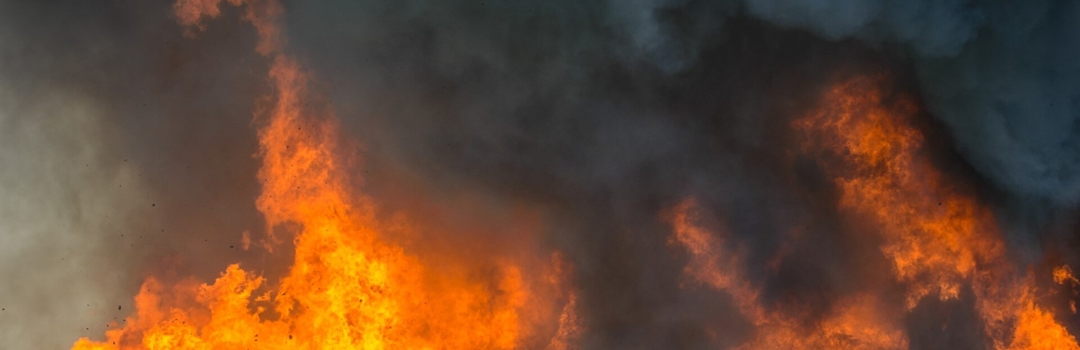
On the evening of Tuesday, April 21, 2026, two back-to-back explosions rocked a North Side San Antonio neighborhood, hospitalizing five people and forcing the evacuation of at least 10 homes along Preston Hollow Drive.
What Happened
According to local news reports, the first explosion occurred just before 6 p.m. in the 15000 block of Preston Hollow Drive, near Thousand Oaks Drive. Three people, including one child, suffered severe burn injuries and were rushed to the hospital in critical condition. The San Antonio Fire Department (SAFD) reported that the initial fire was put out quickly and that the cause appeared to be a buildup of natural gas, though that determination remains preliminary.
Then, roughly two hours later, a second explosion tore through another home just two doors down. Witnesses and news crews still on the scene reported hearing a loud boom and seeing flames shooting into the sky. Two more people were hospitalized with life-threatening injuries following the second blast.
SAFD Chief Valerie Frausto confirmed that three of the five people hospitalized are in critical condition. The first home sustained significant structural damage and will likely need to be demolished.
The Dangers of Natural Gas Buildup in Residential Homes
While the exact cause of these explosions is still under investigation, the preliminary indication of natural gas buildup is a frightening reminder of just how dangerous these incidents can be.
Natural gas powers heating systems, stoves, water heaters, and dryers in millions of American homes. According to the U.S. Energy Information Administration, more than 60% of U.S. households rely on natural gas for at least one of these purposes. The vast majority of the time, these systems operate safely. But when a gas leak goes undetected, and gas accumulates in an enclosed space, the results can be catastrophic.
Data from the National Fire Protection Association (NFPA) indicates that an estimated average of 4,200 home structure fires per year are ignited by natural gas, resulting in approximately 40 civilian deaths annually. The Pipeline and Hazardous Materials Safety Administration (PHMSA) reported 23 fatalities from gas-fed home and building explosions in 2023 alone, making it the deadliest year for such incidents in nearly two decades.
These incidents can be triggered by a range of factors: aging gas lines and infrastructure, faulty appliance installations, accidental damage during construction or home renovation, and even malfunctioning internal connections. Experts have noted that a significant portion of the nation's gas pipeline infrastructure is decades old, and corrosion remains a leading contributor to pipeline failures.
Once gas begins leaking into a home, it can take very little to ignite it. A flipped light switch, a sparked appliance, or even a pilot light can set off a natural gas explosion.
Know the Warning Signs
Utility companies add a sulfur-based odorant to natural gas that creates a distinctive rotten-egg smell to help residents detect leaks. But that odor can fade with prolonged exposure or may not be noticed during sleep. Other warning signs include a hissing or blowing sound near a gas line, dead or discolored vegetation in an otherwise healthy area, or visible dirt and debris blowing from a hole in the ground near a gas line.
If you ever suspect a gas leak in your home, the safest course of action is to leave the area immediately, avoid using any electrical switches or devices, and call your local gas company or 911 from a safe distance.
Our Thoughts Are with Those Affected
This is a developing story, and investigators are still working to determine the precise cause of both explosions in San Antonio. Our hearts go out to those affected, including the families and neighbors on Preston Hollow Drive who are dealing with injuries, displacement, and property damage in the wake of this tragedy.
We will be following the details of this incident as they emerge.
- Categories
- Explosions,
- Gas Explosions


.jpg.2608111245243.webp)