Burn Injury Degrees & Treatment
Burns are classified by how deep they go, and the degree of a burn decides everything that follows: the treatment, the recovery time, the scarring, and, when someone else caused the fire, the legal claim. This guide explains the degrees of burn injuries, the types of burns and inhalation injuries that come with them, and how serious burns are treated. It is general information, not medical advice; for any burn worse than minor, get medical care immediately.
First-Degree Burns
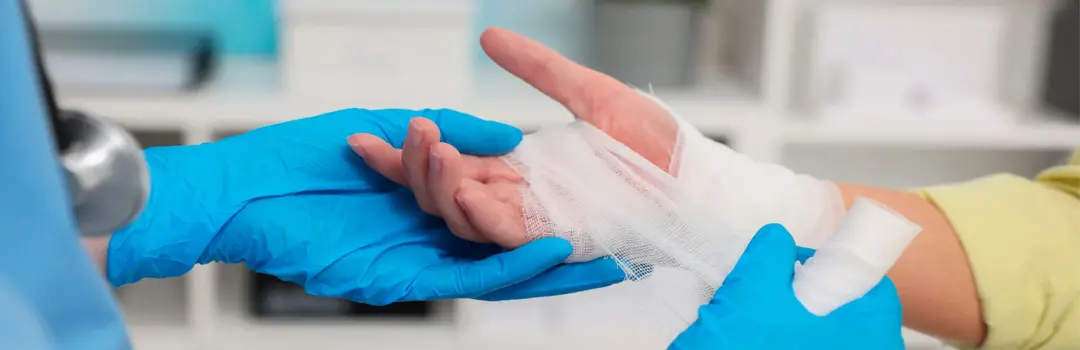
First-degree burns, often from everyday incidents like touching a hot appliance, are typically minor and manageable at home. Cooling the burn under running water and covering it with a non-adhesive bandage provides relief and protection, and over-the-counter pain medication can help with discomfort. These burns usually heal on their own, though repeated burns to the same area can cause longer-term skin damage. Symptoms include pain, redness, swelling, and white or blanched skin.
Second-Degree Burns
Second-degree burns reach deeper skin layers. Small ones may be treatable at home, but burns larger than about three inches, or in sensitive areas, need emergency care. Do not use ice, pop blisters, or apply ointments or butter without medical advice; all of these can make the injury worse. Prompt treatment prevents complications like infection and reduces scarring. Symptoms include blistering, intense redness, severe pain, and swelling.
Third- & Fourth-Degree Burns
These are the most severe burns. They destroy the full thickness of the skin and can extend into fat, muscle, and bone. Nerve destruction means victims sometimes feel numbness or tingling rather than pain, which makes the injury deceptively quiet. Call emergency services immediately. Do not remove clothing burned to the skin, and do not apply cold water to severe burns; elevate the burned areas if possible and let professionals take over. Symptoms include charring, a stiff or waxy appearance, leathery or tan skin, and numbness. For more on burn classification, see MedlinePlus.
Types of Burns: It’s Not Just Fire
Thermal burns from hot surfaces, liquids, steam, and flames are the most familiar, but serious burns come from many sources.
- Chemical burns happen when skin or eyes contact acids, alkalis, or strong cleaning agents, with severity driven by concentration and exposure time.
- Flash burns come from brief, intense heat like industrial explosions.
- Electrical burns can look minor on the surface while causing serious internal damage along the current’s path.
- Scalding injuries from hot liquids vary with temperature and exposure.
- Friction burns, common in motorcycle crashes, combine a scrape with a heat injury.
Inhalation Injuries: The Damage You Can’t See
Fires injure lungs as well as skin. Heat inhalation burns the airway when a victim breathes superheated air, with most damage in the upper airways as the body tries to shield the lungs. Smoke inhalation is the quiet killer: most fire-related deaths are caused by smoke, not flames, and the damage can be severe even when the victim has no visible burns. Systemic toxins released by burning materials can block the body’s ability to absorb oxygen, causing confusion or unconsciousness. Anyone caught in an enclosed fire should be evaluated for inhalation injury, especially people with pre-existing heart or lung conditions, which smoke exposure can seriously aggravate.
How Serious Burns Are Treated
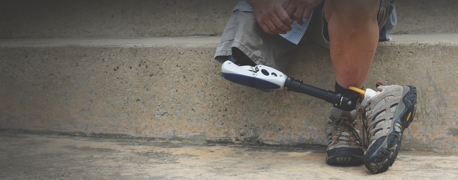
Severe burn treatment starts with stabilization: intravenous fluids to replace what leaking tissue loses, infection control, and pain management. From there, treatment can include surgery, skin grafts, and in the worst cases amputation. Skin grafting transplants healthy skin from a donor site onto the damaged area; common approaches include pinch grafts, split-thickness grafts, full-thickness grafts, and pedicle grafts. If a graft survives the first 72 hours, the body will generally accept it, and full healing takes around six months when infection is kept at bay and blood supply holds. Modern burn medicine has made survival far more likely and repair far more effective, but recovery still means months of rehabilitation to regain mobility and function.
When a Burn Becomes a Legal Case
When someone else’s negligence caused the fire, explosion, or chemical exposure, Texas law puts those costs on the party responsible, not on the survivor. That is where we come in. If you or a loved one suffered a serious burn in an accident that shouldn’t have happened, talk to a Houston burn injury lawyer at Arnold & Itkin.