The Dangers of Methane Gas
Methane is a colorless, odorless gas that forms when organic matter decomposes—whether it’s animal waste on a dairy farm, buried trash in a landfill, or coal deposits in a mine. While methane has many industrial uses, it can pose serious health risks and explosion hazards for the people who live and work near high-concentration sources.
Here, we explore the key industries most affected by methane, how it threatens workers’ and neighbors’ well-being, and what measures can help prevent unnecessary injuries and deaths.
Where Methane Gas Is Found
Methane naturally occurs when organic substances break down in places like manure lagoons, landfills, sewage treatment plants, and coal seams. It’s also generated during oil and gas extraction. Because methane is odorless, it can accumulate undetected unless facilities rely on specialized detection systems. If companies fail to monitor, capture, or safely vent methane, the gas can displace oxygen and create a flammable atmosphere—putting workers at high risk.
Industries & Workers Vulnerable to Methane Exposure
Industries Where Workers Face High Methane Risks
Coal Miners
In coal mining, methane is released during the extraction process and can accumulate in underground shafts. Without proper ventilation and real-time gas detection, pockets of methane become ticking time bombs capable of triggering deadly explosions.
Dairy & Cattle Farmers
Farm animals—especially ruminants like cows—emit methane through digestion, and manure storage further intensifies these emissions. Workers responsible for tending livestock, managing manure, or working near closed storage areas can encounter elevated methane levels.
Sewage Treatment Plant Workers
As sewage decomposes, it releases methane in confined spaces, such as settling tanks or anaerobic digesters. If proper safety measures and ventilation aren’t enforced, plant workers may experience dangerous methane exposure.
Landfill Operators
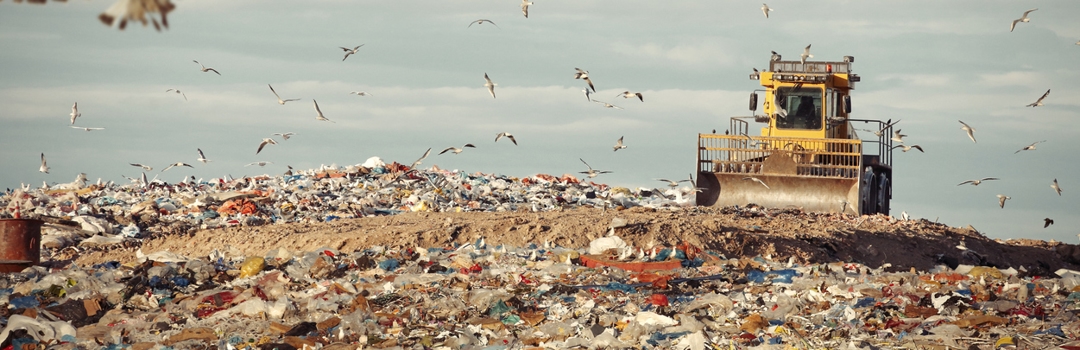
Organic waste in landfills generates methane as it breaks down. High concentrations of the gas can accumulate below ground or in poorly ventilated areas, putting landfill workers in harm’s way if they’re not using appropriate detection devices and safety protocols
Health Risks & Injuries from Methane Exposure
4 Health Risks of Methane Exposure
Methane is also highly flammable and, at certain concentrations, explosive. Fires or blasts related to methane can lead to life-altering injuries such as severe burns, lacerations, and trauma from structural collapses.
Real-World Consequences: The Texas Dairy Farm Explosion
A tragic reminder of methane’s power is the April 2023 explosion at a dairy farm in Dimmitt, Texas. Investigators concluded that an engine fire in a manure vacuum truck sparked a blaze, causing a massive explosion inside a barn. Nearly 18,000 cattle were killed, and one worker was trapped and critically injured in the incident.
Methane Safety: Protective Measures & Best Practices
Methane Safety
Safe Ventilation & Monitoring
Employers in coal mines, dairy farms, landfills, and sewage treatment facilities have a legal and moral obligation to install real-time gas detectors and maintain adequate ventilation systems. Regular monitoring ensures methane never reaches critical levels that endanger workers and nearby communities.
Equipment Maintenance & Storage
All valves, tanks, and pipelines used to collect or process methane-containing waste should undergo routine inspections. Leaks or damaged equipment can turn a manageable methane presence into a full-blown emergency.
Worker Training & PPE
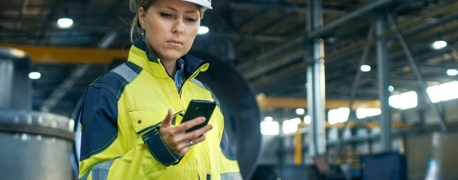
Safety procedures should include thorough training on methane’s dangers, how to use detection tools, and when to evacuate. Personal protective equipment (PPE) such as respirators or self-contained breathing devices may be necessary in high-risk settings.
Confined Space Protocols
Areas prone to methane buildup—like silos, storage tanks, or underground mine shafts—must be treated as confined spaces. This means strict permitting, continuous air monitoring, and clear evacuation routes.
Why Vigilance Matters
Methane poisoning, fires, or explosions can destroy lives in an instant. Industrial operators must invest in proper detection systems, protective gear, and thorough employee training. Neglecting these responsibilities is not only a betrayal of worker safety but also places entire communities at risk.
When workers or families are harmed by methane explosions, fires, or toxic exposure, whether at a coal mine, dairy farm, landfill, or sewage treatment plant, the circumstances that follow tend to reveal the same pattern: detection systems that were never installed, ventilation that was never maintained, and employers who treated an invisible gas as a remote risk rather than a hazard demanding constant vigilance. Arnold & Itkin represents workers and families in exactly these situations. The firm’s attorneys who handle explosion and industrial accident cases have recovered verdicts and settlements against mining companies, agricultural operations, and industrial facilities across the country, contributing to a firm record of more than $25 billion recovered on behalf of clients. Arnold & Itkin is based in Houston and takes cases throughout Texas, Louisiana, and nationwide.