What a Wrongful Death Case Actually Looks Like
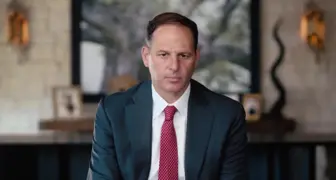
Attorney Jason Itkin on what grieving families need from a wrongful death case and how one moves through the courts, from the first investigation to a jury trial.
Attorney Jason Itkin on what grieving families need from a wrongful death case and how one moves through the courts, from the first investigation to a jury trial.
A wrongful death case compensates the family for what they lost: the income and support the person would have provided, and their companionship and guidance. For many families, the lawsuit matters for another reason too. It gives them the legal power to demand the company’s records and to question its employees under oath, and that’s often the only way they find out what happened.
“It’s really, really important to get the truth out and make sure that the right thing is done to respect and honor the person that was lost.”
That matters when the first public version of events comes from the company or from news coverage written before anyone knew the facts. What comes out in sworn testimony and the company’s own documents becomes the record, and if the case goes to trial, much of that record becomes public.
The first weeks go to investigation: securing evidence, getting reports from law enforcement and the medical examiner, and sending written demands that the companies involved preserve their records. Once the lawsuit is filed, discovery begins. Each side sends written requests for documents such as safety policies, incident reports, emails, text messages, and video, and then takes depositions. In Texas state court, each side generally gets up to six hours to question a witness.
“There’s usually a court ordered process to explore settlement. Sometimes it works, sometimes it doesn’t. And if it doesn’t work, we end up in a jury trial.”
That process is usually mediation. Texas judges can refer a case to mediation, and many order it before trial. A mediator meets with both sides and carries offers back and forth, but nobody is required to settle. If the case doesn’t resolve, a jury decides it. Most wrongful death cases take somewhere between a year and a few years from start to finish, depending on how many companies are involved and how hard they fight.
In Texas, a wrongful death claim belongs to the person’s spouse, children, and parents. They have equal standing, any of them can file, and the case is brought for the benefit of all of them. If none of them files within three months of the death, the executor or administrator of the estate can file unless all of them ask that no suit be brought. Brothers, sisters, grandparents, and unmarried partners can’t bring the claim themselves. The estate can also bring a separate survival claim for what the person suffered before death, including medical bills and pain.
The deadline for a wrongful death claim is generally two years from the date of death.
Wrongful death cases are hard. When family calls you and someone has been killed, someone has been lost. There is no amount of money that brings them back. And so the question becomes is, what can we do to help? One of the things that we’ve seen that’s just the hardest for families is not knowing what happened or knowing that somebody got away with it and weren’t held responsible.
And then there’s another piece. That’s, how do you make sure that the memory of the person that was lost isn’t tarnished by either a cover up by the company or a false story put out on the internet, on whether it’s Facebook or the news, so that if there’s a child involved or a cousin involved or a grandkid involved and they Google this two years from now, five years from now, that there’s some misinformation, it’s really, really important to get the truth out and make sure that the right thing is done to respect and honor the person that was lost.
Our justice system is the best justice system in the world, but it moves slow. And sometimes these wrongful death cases can take a year, sometimes they can take two years. The first few weeks will be spent starting what’s called an initial investigation. After that, you’ll have the lawsuit filed. Give us your safety policies. Tell us what happened. Give us all your witness files, emails, text messages, video, etc. Once we start exchanging that information, we’ll start taking testimony of people under oath. We’ll sit them down just like in a courtroom, ask them the hard questions about what happened and why. And then from that point, there’s usually a court ordered process to explore settlement. Sometimes it works, sometimes it doesn’t. And if it doesn’t work, we end up in a jury trial. That’s where having someone with the expertise that we have with, $25 billion recovered, where that track record of success, translates into great results for our clients.