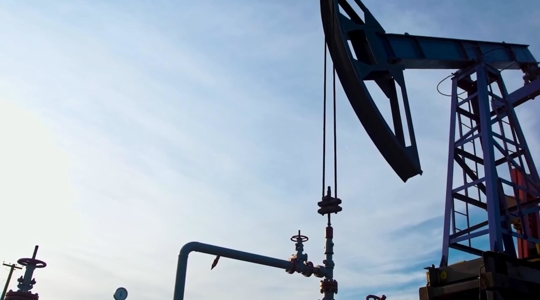
What Flowback Operations Involve
Flowback is the phase of well completion that follows hydraulic fracturing. Once fracturing is done, pressurized fluids, sand, and gas from the formation surge back up the wellbore to the surface. Workers collect and manage that return flow using choke manifolds, separators, flowback tanks, and plug catchers, all of which handle volatile, pressurized material under demanding conditions.
The workers closest to this risk go by different titles: flowback operators, flowback hands, flowback technicians, and pump operators. What they share is daily exposure to high-pressure equipment and the hazardous fluids moving through it. When equipment fails or safety protocols break down, the consequences are immediate and severe.
Most of that work happens far from Houston. Flowback operations are concentrated in the Eagle Ford Shale of South Texas, the Permian Basin of West Texas, the Haynesville formation in East Texas, and the Barnett Shale near Fort Worth. Some of the workers at those sites live in the Houston area between hitches, driving or flying out for weeks-long rotations before returning home. Our Houston office represents flowback workers hurt in each of these basins and across other producing regions.
How Flowback Accidents Happen
Flowback sites concentrate multiple serious hazards in one place. Pressure equipment failures, chemical exposure, and regulatory changes that increased tank exposure risk have each contributed to worker deaths and catastrophic injuries.
Pressure Equipment Failures
Valves, manifolds, and other surface equipment move fluids and gas at extreme pressures. When they fail, the result can be an explosion or sudden release that causes crush injuries, severe burns, or death. Our client from Avinger, Texas, lost 50% of his orbital bone when a pressure valve unexpectedly exploded during routine duties. The jobsite had been improperly managed, and we filed suit to hold the responsible parties accountable.
Chemical & Toxic Gas Exposure
Flowback fluids carry volatile hydrocarbons that can damage the eyes, lungs, and nervous system. Hydrogen sulfide, a toxic gas produced naturally in oil and gas extraction, compounds the risk. At high concentrations, H2S can kill in a single breath. Workers who gauge or sample flowback and production tanks have died from acute exposure to these vapors, often while working alone. NIOSH identified at least nine such fatalities at U.S. oil and gas wellsites between 2010 and 2014.
A regulatory change made this hazard worse in a way many employers failed to address. The EPA's 2012 New Source Performance Standard for oil and gas facilities (40 CFR Part 60 Subpart OOOO, commonly called "Quad O") required oilfield operators to capture hydrocarbons at the wellsite rather than vent them into the atmosphere, causing hydrocarbons to accumulate under pressure inside flowback tanks. When a worker opens an access hatch to gauge or sample the tank, an invisible vapor plume can release directly into their breathing space. The hazard isn't always visible, and it doesn't announce itself. OSHA and NIOSH have issued a joint Hazard Alert on the risks of manual tank gauging and sampling, but many employers still haven't updated procedures to protect workers.
Our Experience With Flowback Injury Claims
We are committed to representing injured flowback operators and other workers who have been harmed in flowback incidents. Every case we take is prepared for trial, because that preparation is what can force companies to face genuine accountability rather than making low offers and waiting injured workers out. Our clients aren’t files or case numbers. We meet each one with total commitment, from the first call to the last day of trial if that’s what it takes.
Texas Law & Who Can Be Held Liable
Flowback injury claims in Texas often involve more than one company. Equipment at a flowback site may be owned by one party, operated by another, and maintained by a third. Each of those relationships creates a potential source of liability. We investigate every link in that chain, including owners, operators, and maintenance providers, to identify every party whose negligence contributed to the accident.
Two features of Texas law make these cases different from standard workplace injury claims. First, many oilfield employers in Texas are workers' compensation nonsubscribers. That means an injured worker can't simply file a workers' compensation claim and recover their full losses. They need to pursue a personal injury claim, which opens the door to seeking full damages but also requires building a stronger case. Second, the Texas Oilfield Anti-Indemnity Act (Texas Civil Practice and Remedies Code Chapter 127) limits the ability of negligent parties to hide behind broad indemnity language written into well-service contracts.
A company can't contract its way out of responsibility for its own negligence. That matters when oilfield companies try to shift blame or point to contract terms to avoid paying for injuries they caused.
When a Flowback Accident Is Fatal
In some cases, flowback work accidents are fatal. NIOSH identified nine deaths from hydrocarbon vapor exposure during tank gauging alone. Pressure equipment failures, well blowouts, and toxic exposures add to that toll. Every one of those deaths leaves a family with grief, financial hardship, and unanswered questions about how a preventable tragedy was allowed to occur.
Under Texas Civil Practice and Remedies Code Section 71.004, the surviving spouse, parents, and children of a person killed in a flowback accident may file a wrongful death lawsuit against the responsible parties. Those claims can seek compensation for funeral and burial expenses, lost financial support, loss of companionship and guidance, and the mental anguish caused by the loss. We've handled fatal oilfield injury cases for families across Texas and understand what it takes to hold operators accountable when their decisions turn deadly.
Recognition in Oilfield & Catastrophic Injury Law
Kurt Arnold and Jason Itkin are members of the Inner Circle of Advocates, a group limited to 100 of the best plaintiff's lawyers in the nation. Arnold & Itkin holds Tier 1 rankings in Best Law Firms® by Best Lawyers® for Personal Injury Litigation for Plaintiffs and Mass Tort Litigation/Class Actions for Plaintiffs, and our attorneys have been selected to the National Trial Lawyers: Top 100 Trial Lawyers. That recognition reflects the trial capability we bring to every case, including the flowback and oilfield injury matters we handle for workers across Texas.
Talk to a Flowback Injury Attorney at No Cost
Injured flowback workers and their families shouldn’t have to fight for their financial recovery alone while still dealing with medical treatment and lost income. We work on a contingency-fee basis, meaning you pay nothing for our services or litigation expenses unless we win a verdict or settlement for you. Carrying that financial risk is part of our commitment.
Arnold & Itkin has spent two decades taking on companies that put profit ahead of worker safety. Our No Matter What™ commitment means we don’t walk away from hard cases or accept low offers when our clients deserve more.
Call (888) 493-1629 to tell us what happened. We can take it from there.